 MarineVerse Blog
From a First Sail to a Lifelong Sailor: Our World Sailing eSailing Webinar on VR and the Hansa 303
Many people know MarineVerse as a place to learn, race, relax, and stay connected to sailing from home. But behind the app is a bigger question we keep coming back to: how can virtual sailing support real sailors on their journey to becoming lifelong sailors?
Recently, Greg from MarineVerse joined Paul Wager from Sailability Auckland for a World Sailing eSailing webinar about virtual reality, para sailing, and the Hansa 303.
The session looks at a challenge many sailors and clubs will recognise: someone has a great first day on the water, but then weather, distance, confidence, boat access, disability, cost, or logistics get in the way of the next step — and the sport quietly loses a would-be lifelong sailor.
VR is not a replacement for real sailing. But it can help keep sailors engaged between on-water sessions. It can give clubs a new way to attract and retain members. It can help new sailors get familiar with boats and basic concepts before they leave the dock. And it can give individual sailors a place to practise, learn, race, relax, and meet others — all from home.
Watch the Webinar
Watch the full webinar on YouTube
What the Webinar Covers
Over the hour, Greg and Paul work through:
- the problem MarineVerse is trying to help solve
- why VR can be useful for sailing participation
- the Hansa 303 in MarineVerse
- how clubs can use VR for events and training
- how sailors can use MarineVerse at home for practice and connection
- how to get started with a simple headset-based setup
This work was inspired by the Hansa 303 joining MarineVerse Sailing Club and the inaugural International Hansa 303 Virtual Sailing Challenge in Auckland.
A big thank you to Paul Wager, Sailability Auckland, and the World Sailing eSailing team for the opportunity to present — and to everyone who continues to support MarineVerse.
The Webinar, Slide by Slide
For those who’d like the full picture without watching end to end, here’s the complete presentation with notes from the session.
Introduction
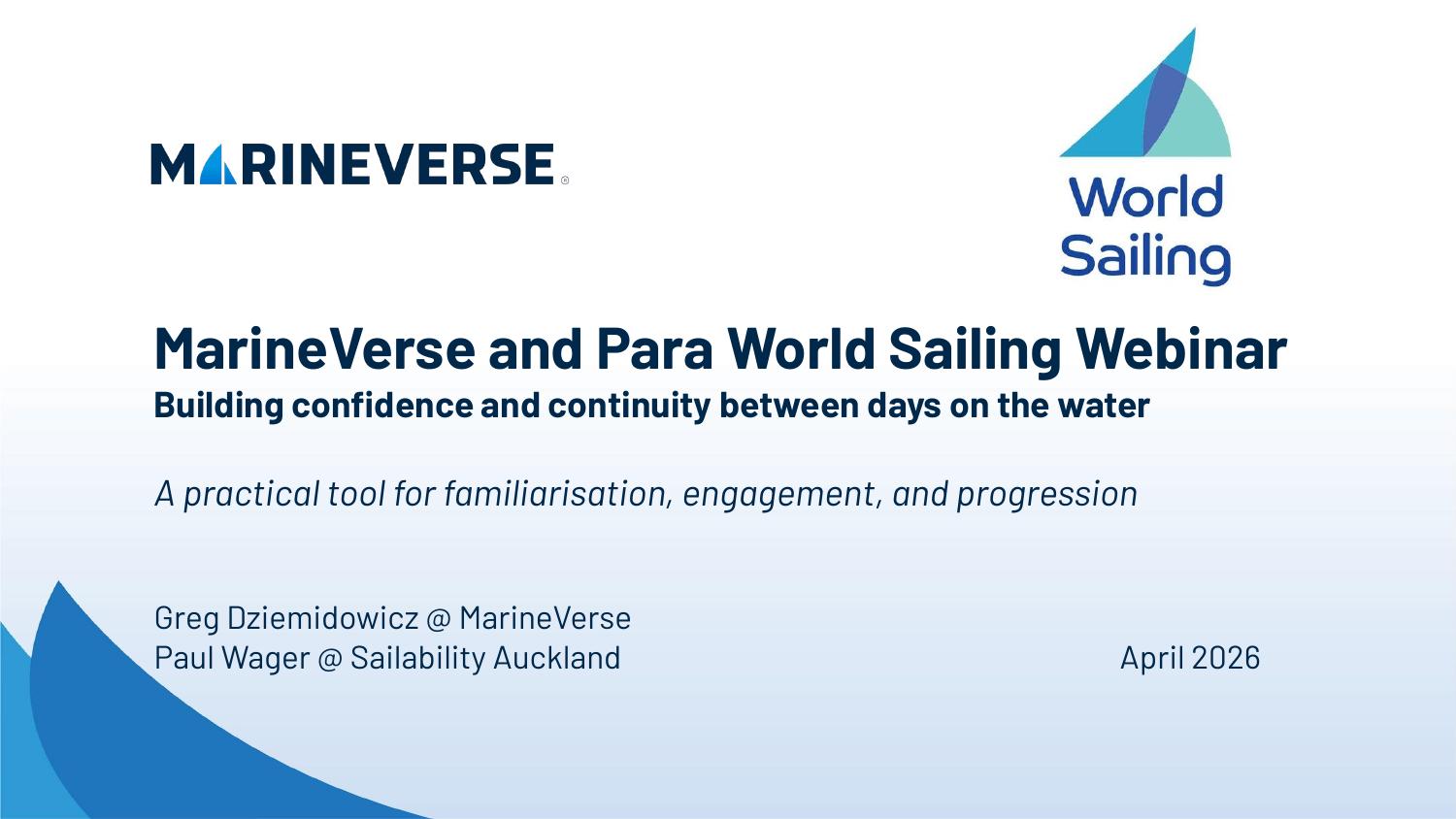
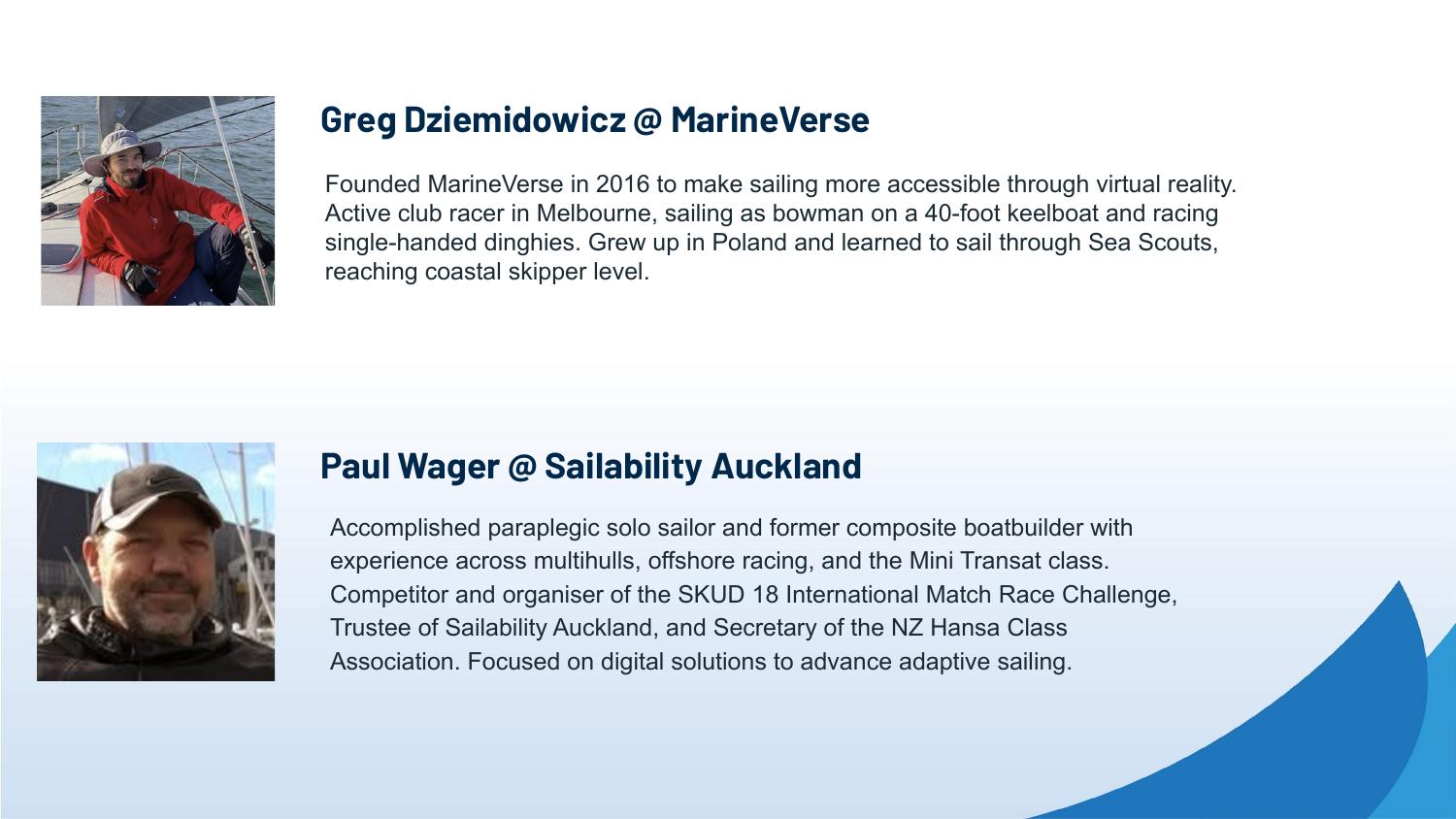
Your presenters. Greg Dziemidowicz founded MarineVerse in 2016 to make sailing more accessible through VR, and races in Melbourne as bowman on a 40-foot keelboat as well as single-handed dinghies. Paul Wager is a paraplegic solo sailor and former composite boatbuilder, an organiser of the SKUD 18 International Match Race Challenge, a Trustee of Sailability Auckland, and Secretary of the NZ Hansa Class Association.
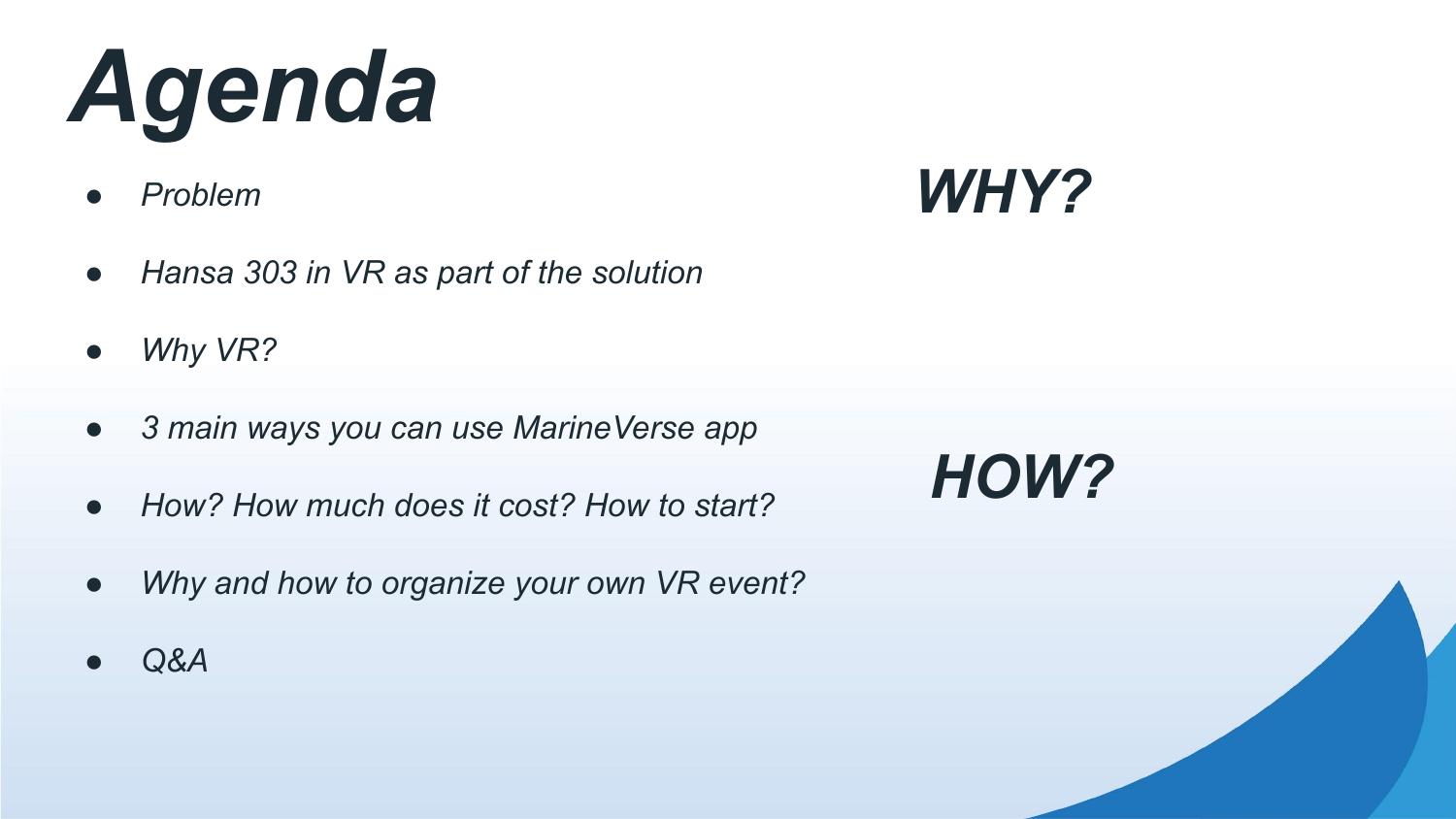
The agenda: the problem, the Hansa 303 in VR as part of the solution, why VR works, the three main ways to use MarineVerse, how to get started, and how to run your own VR event.
The Problem
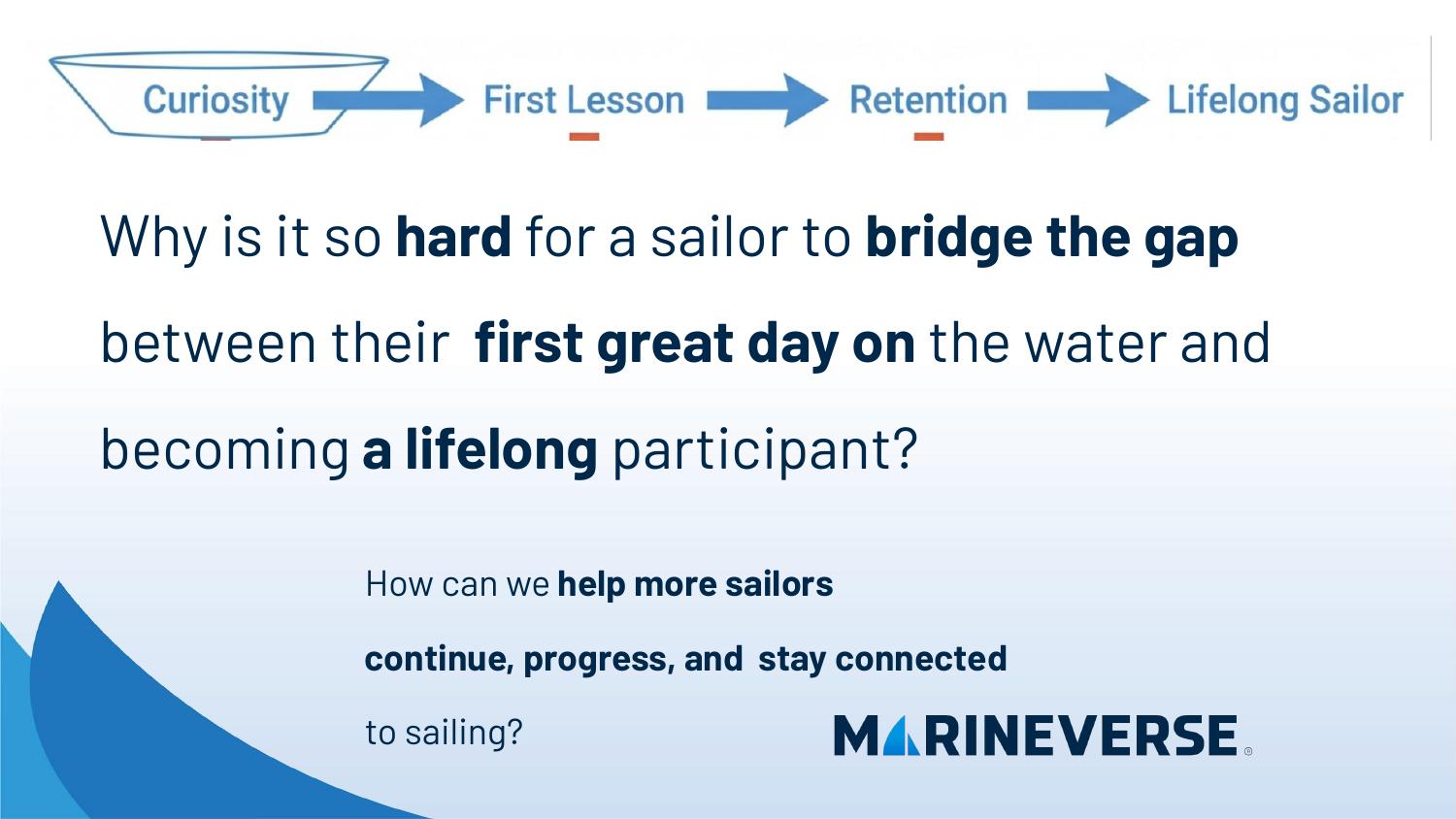
The core question: why is it so hard for a sailor to bridge the gap between a great first day on the water and becoming a lifelong participant?
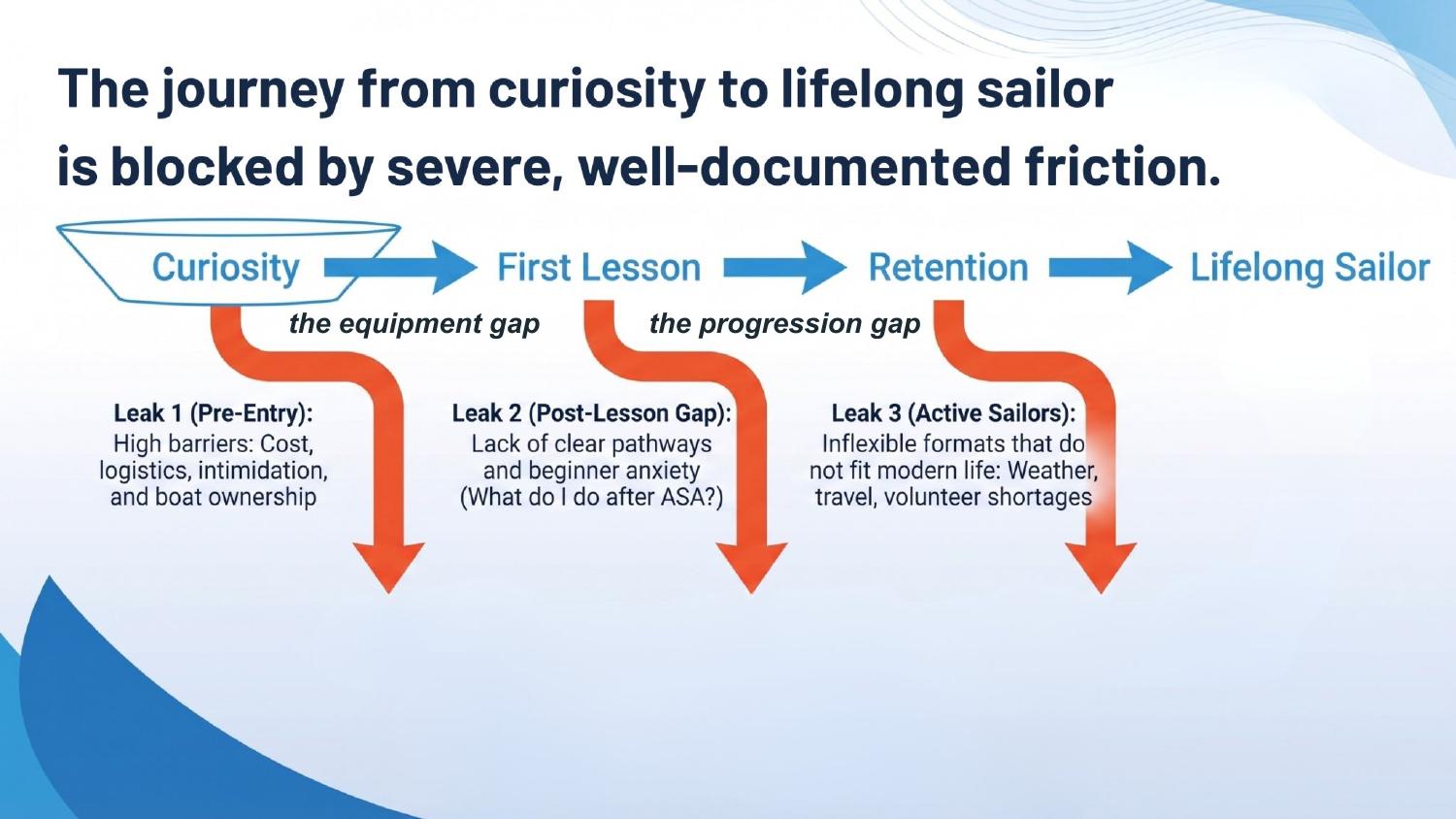
Two gaps sit in the way: the progression gap and the equipment gap.
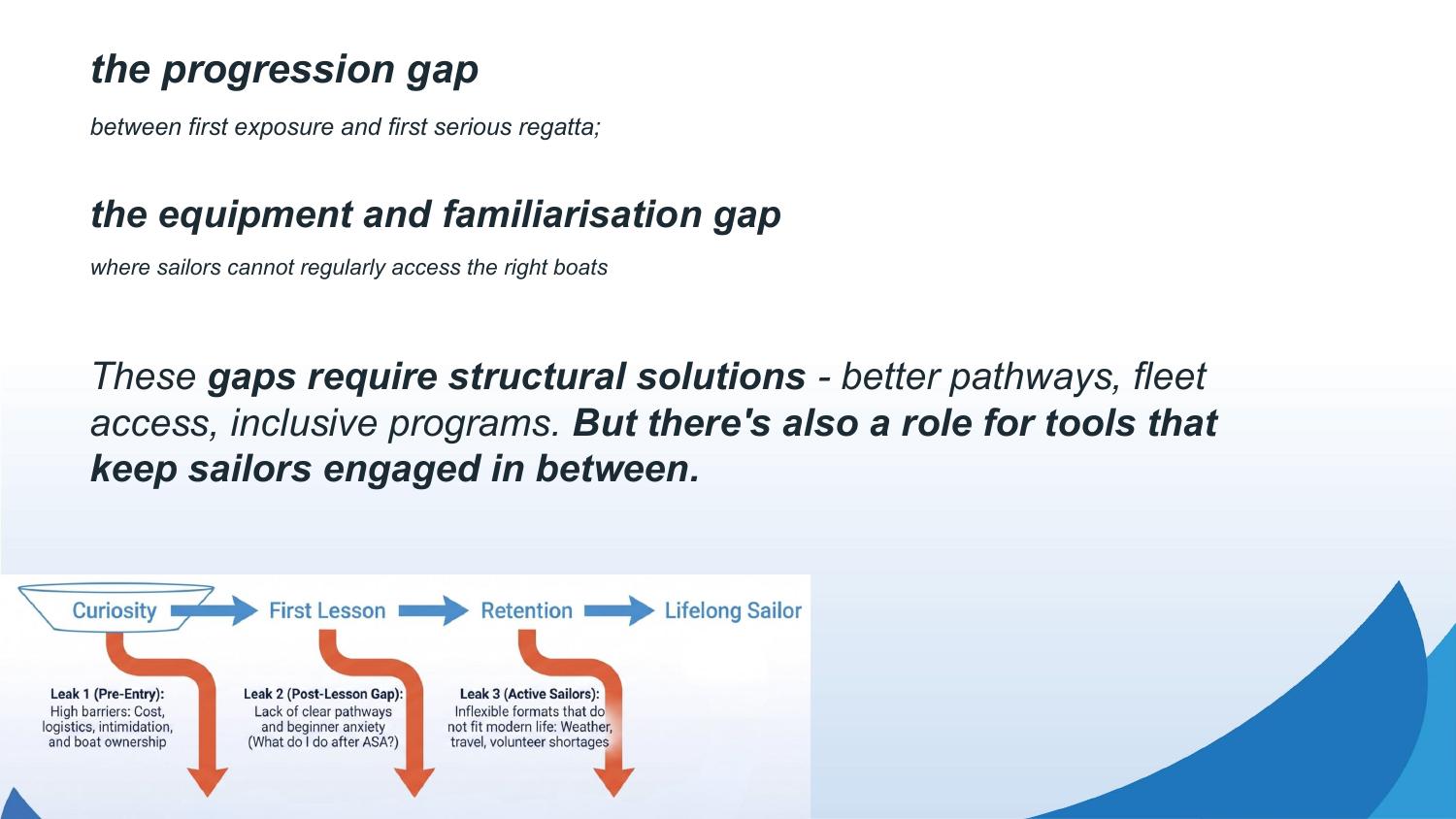
The progression gap sits between first exposure and a first serious regatta. The equipment and familiarisation gap is where sailors can’t regularly access the right boats. These need structural solutions — better pathways, fleet access, inclusive programs — but there’s also a role for tools that keep sailors engaged in between.
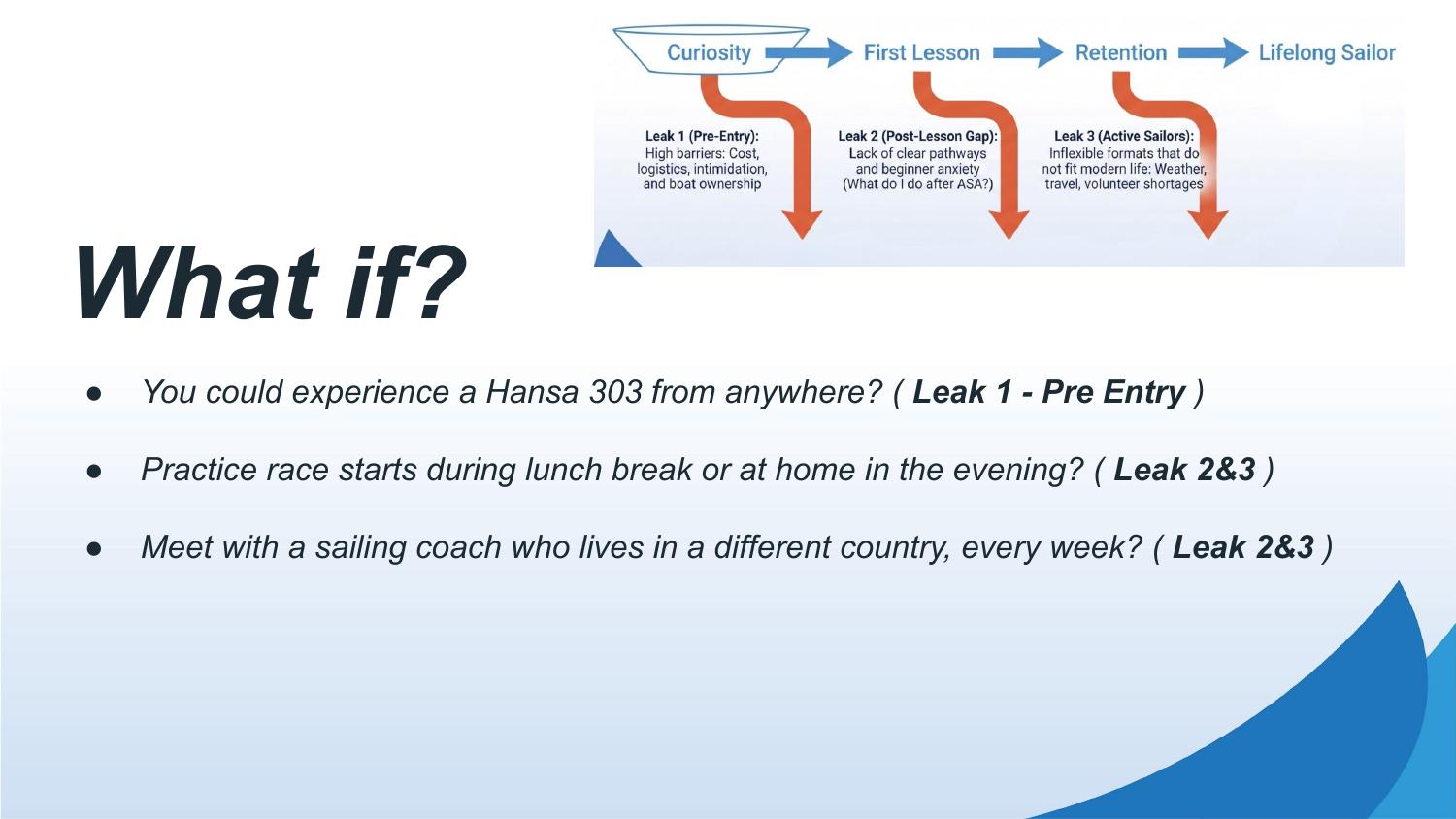
What if you could experience a Hansa 303 from anywhere, practise race starts on your lunch break or at home in the evening, or meet a sailing coach who lives in another country every week?
The Hansa 303 in VR
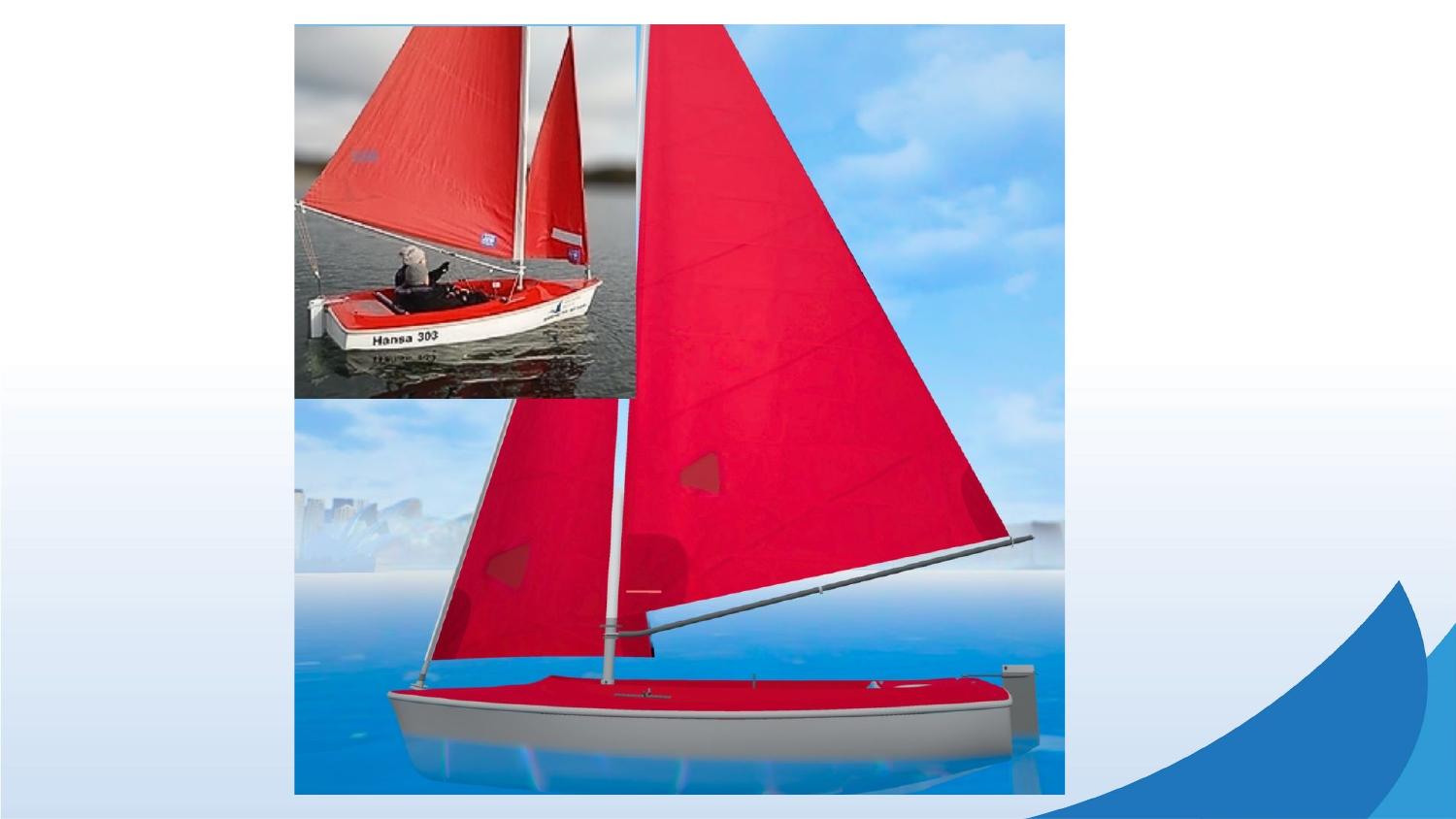
The Hansa 303 was the first boat Hansa built in MarineVerse. A 3D-scanning firm scanned the Hansa fleet — the 303, Liberty, SKUD and 2.3 — and Hansa designer Chris Mitchell pushed for the 303 to come first because of its worldwide coverage. Considerable effort went into making the cockpit and sail handling feel just like the real thing.
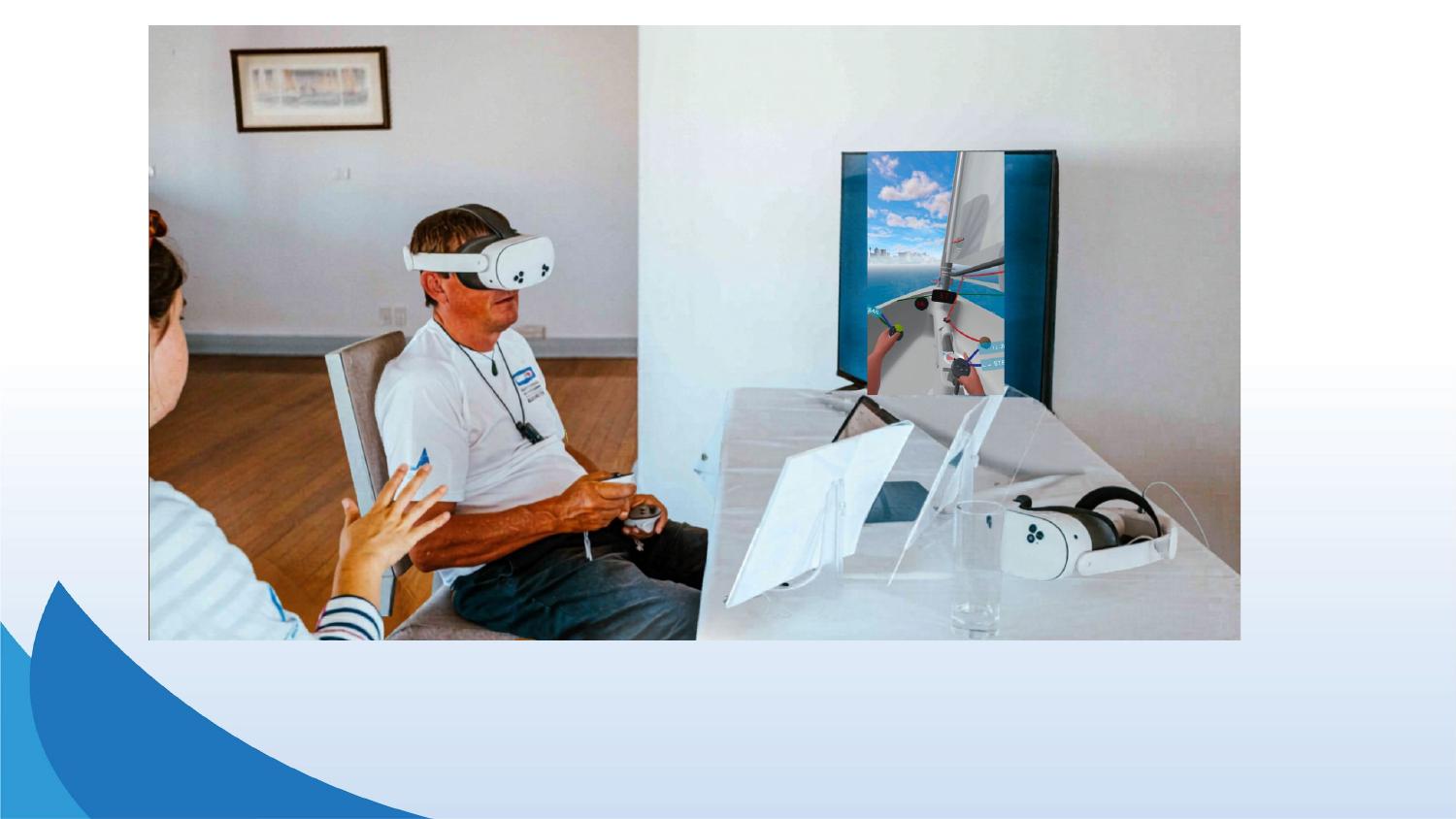
A sailor trying the Hansa 303 in VR.
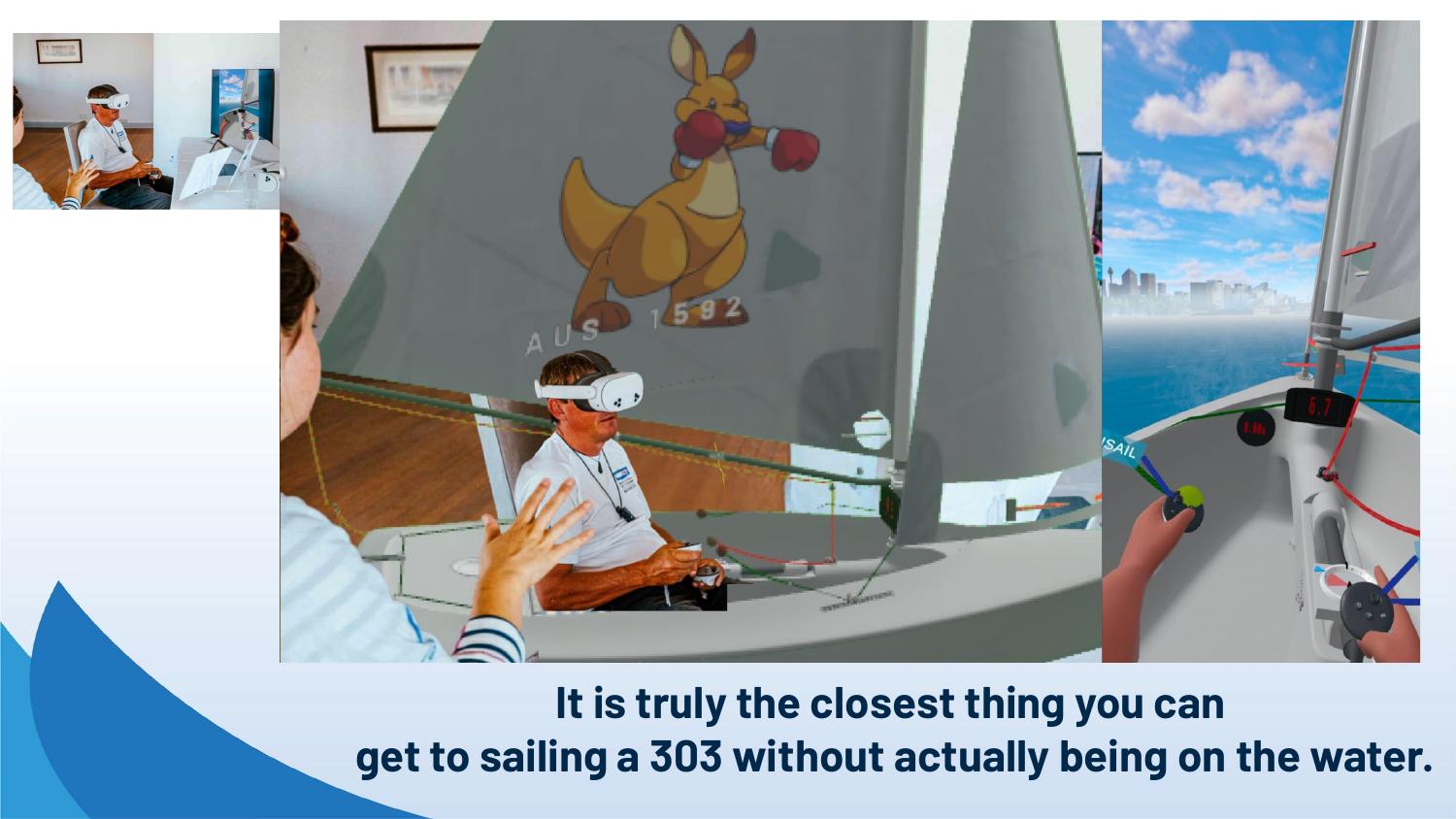
Paul’s verdict: “It is truly the closest thing you can get to sailing a 303 without actually being on the water.”
The first-person view from the cockpit, with your hands on the tiller and sheet exactly where they’d be on the real boat.
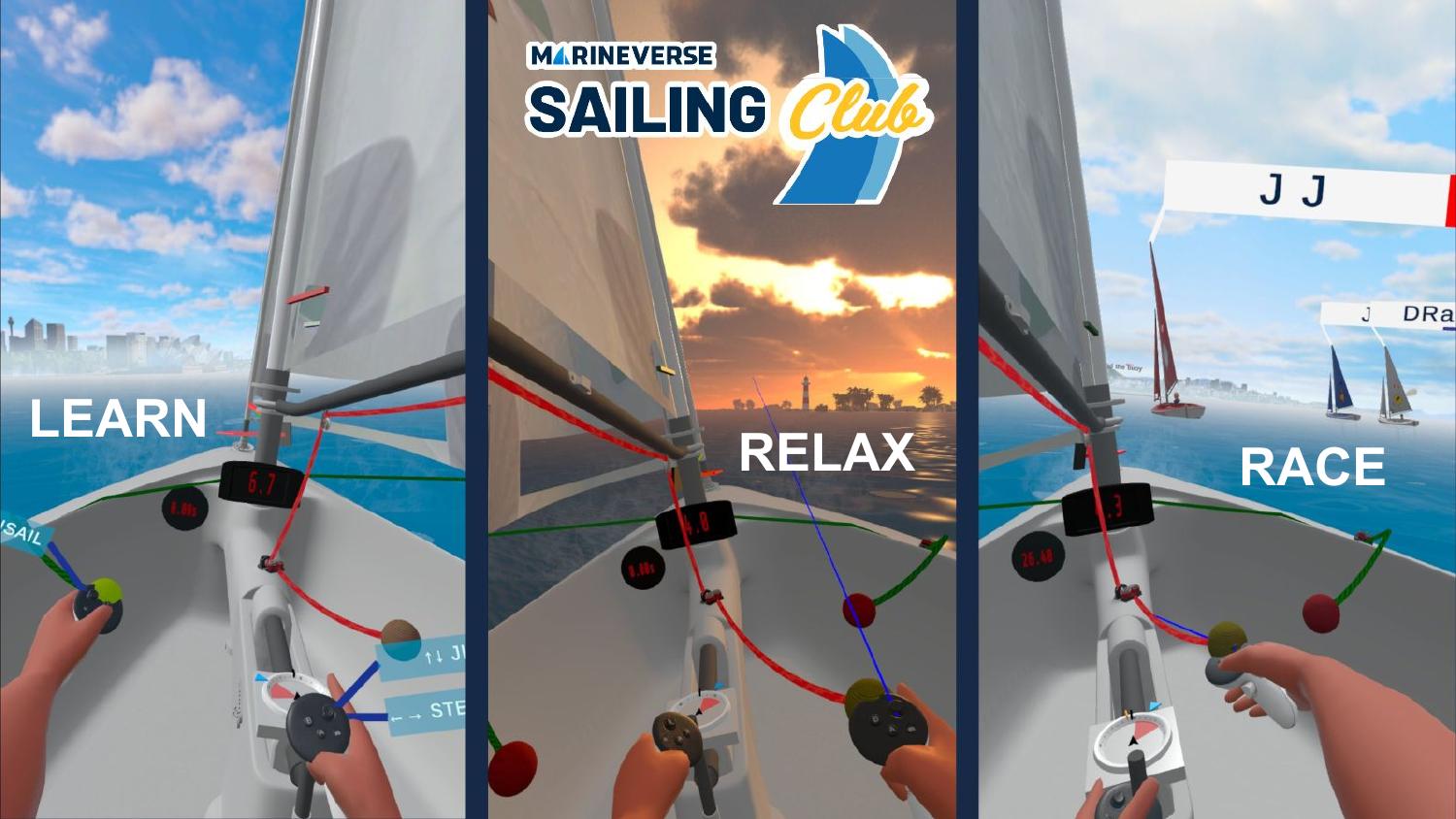
Three things you can do in MarineVerse: relax, race, and learn.
Why Virtual Reality?
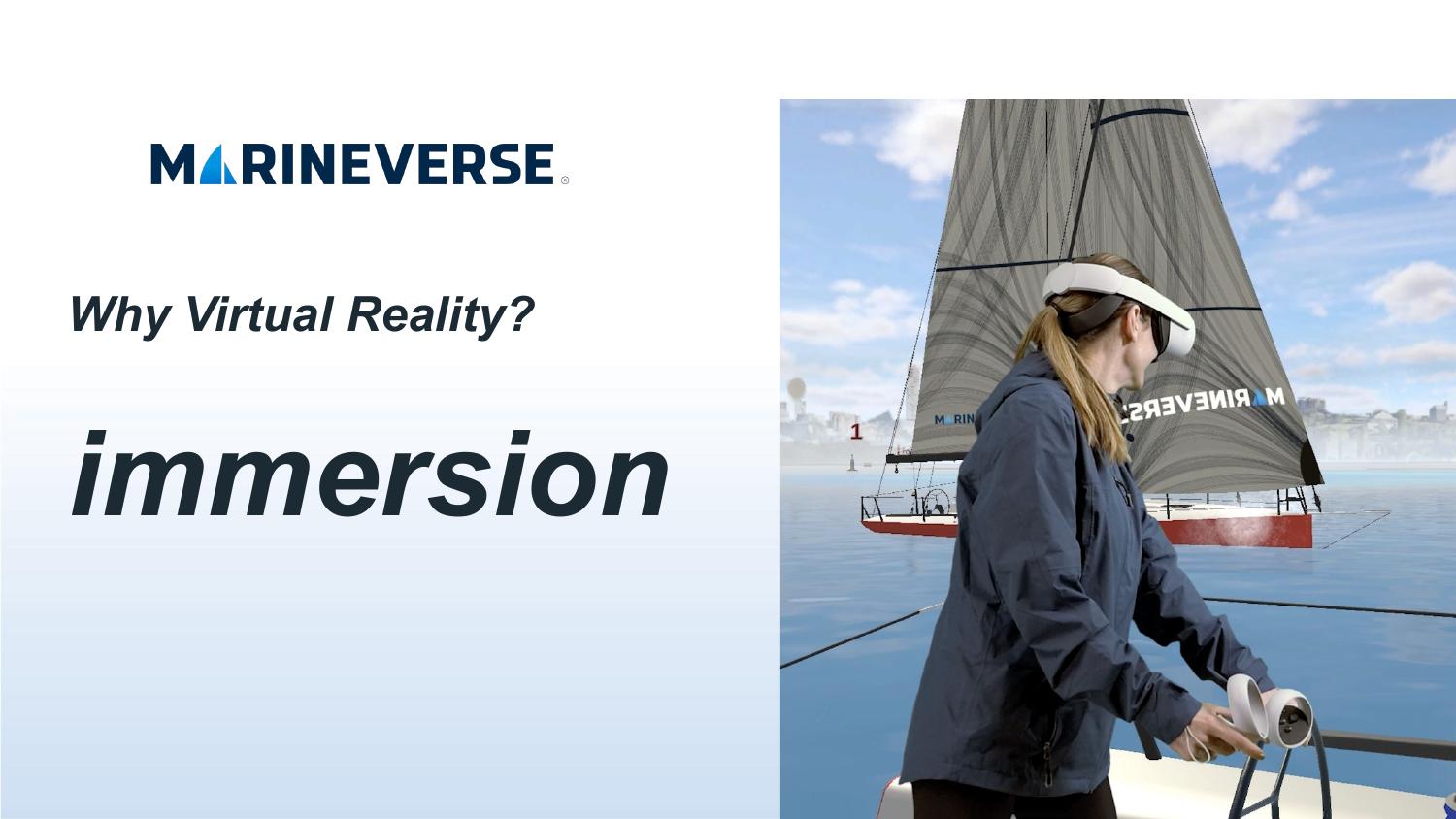
The single biggest reason VR works: immersion.
Real sailors sailing in MarineVerse for the first time on a Meta Quest 3.
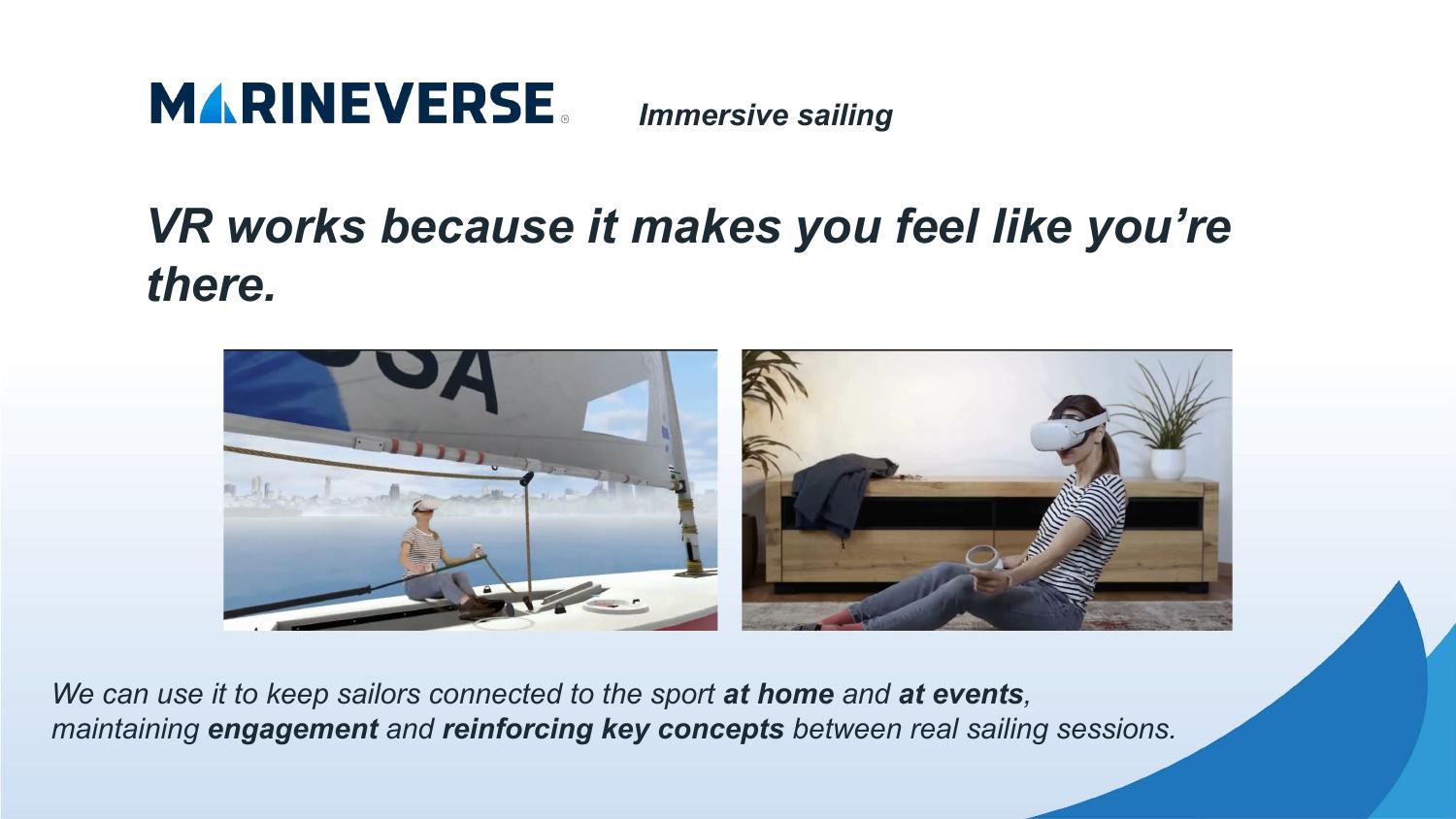
VR works because it makes you feel like you’re there — which is what keeps sailors connected to the sport between real sessions. As Paul put it, a photo of the Grand Canyon doesn’t do it justice; you have to stand on the edge. A headset is the closest thing to actually being on the boat.
What Is MarineVerse?

So what is MarineVerse, really?
Three main uses: an attraction for events, a conceptual training tool, and a tool for at-home repetition and skill-building.
Use 1: An Attraction for Events

Use one — an attraction for events.
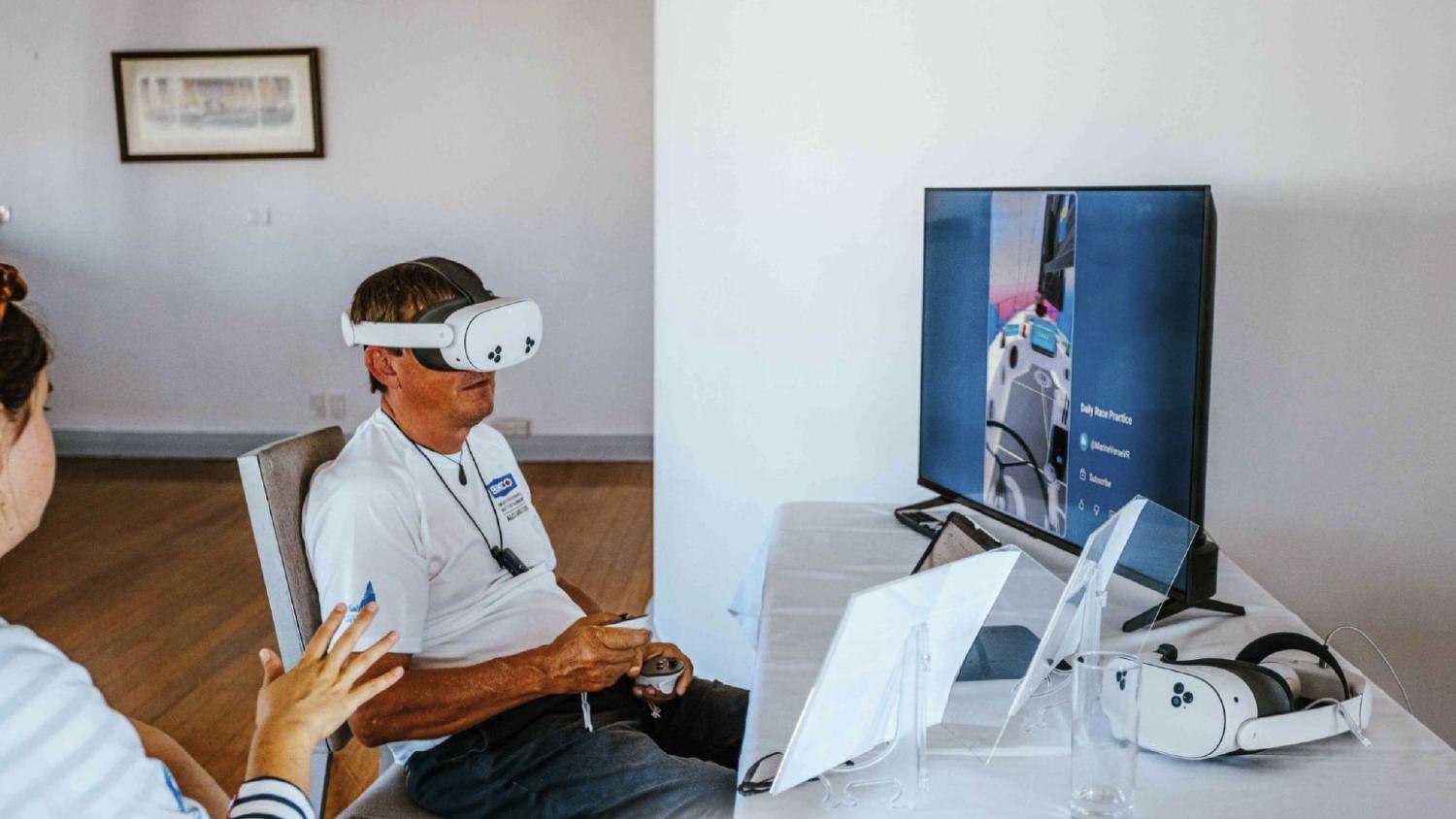
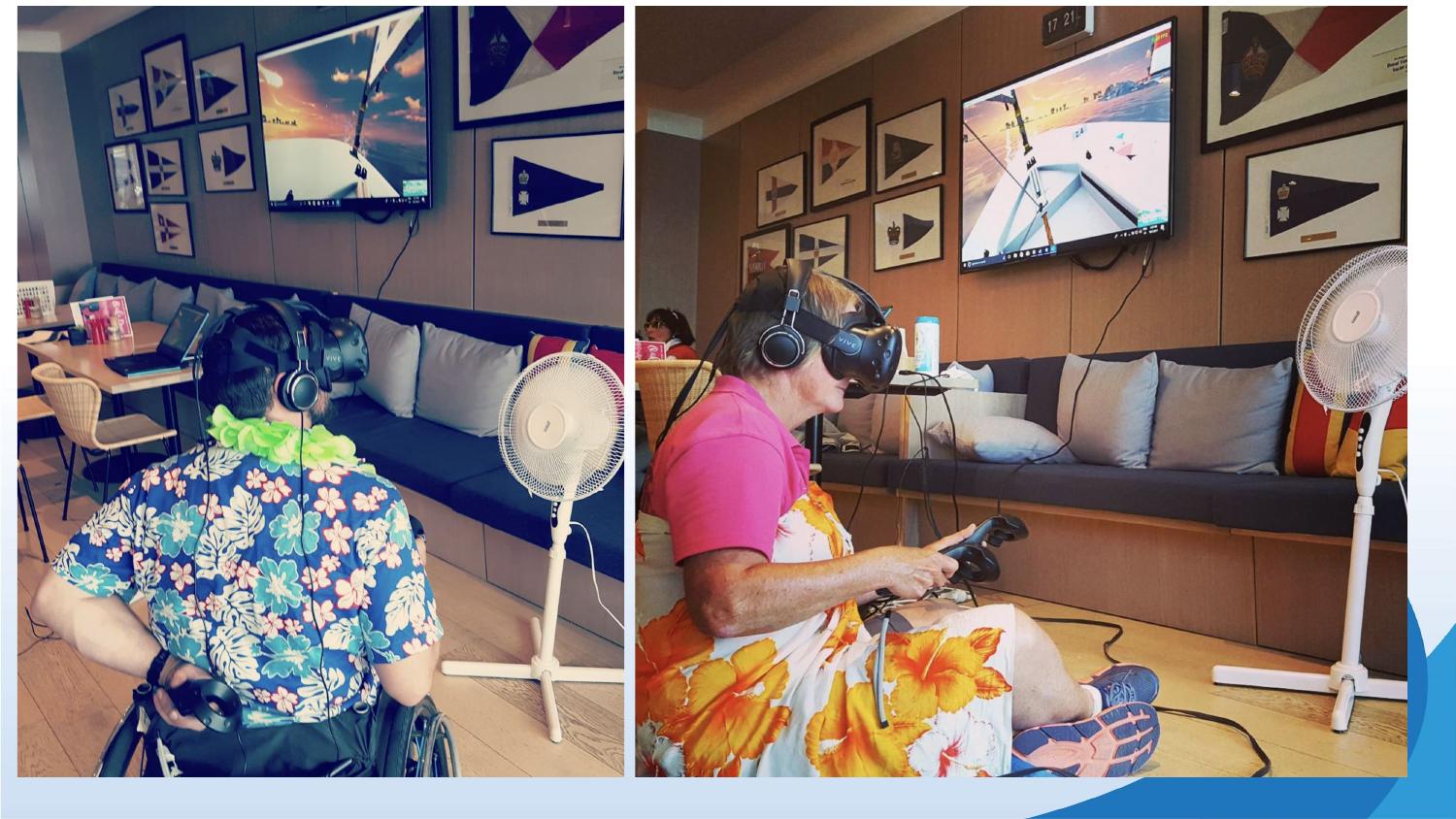
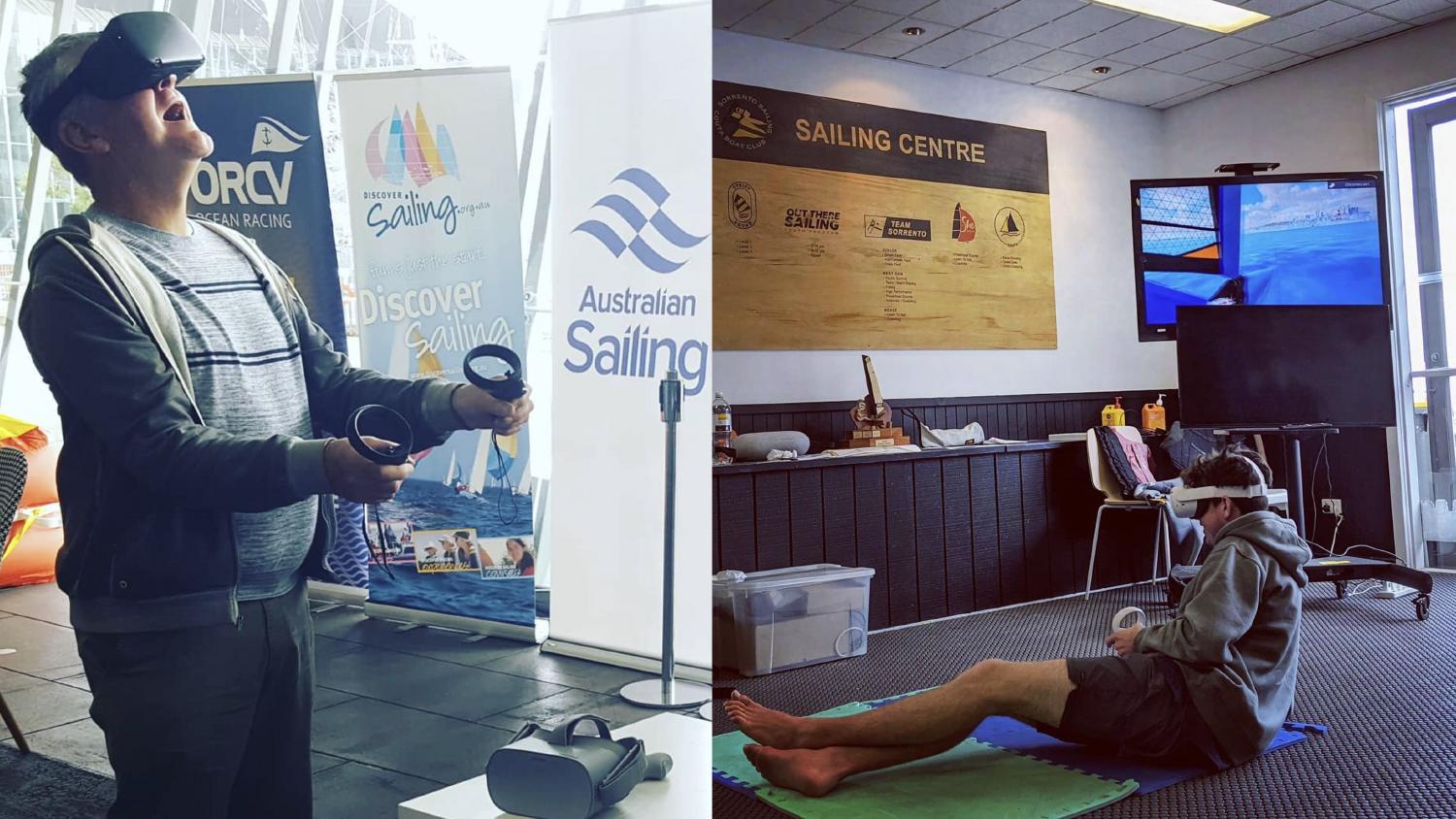
Visitors trying VR sailing at an event.
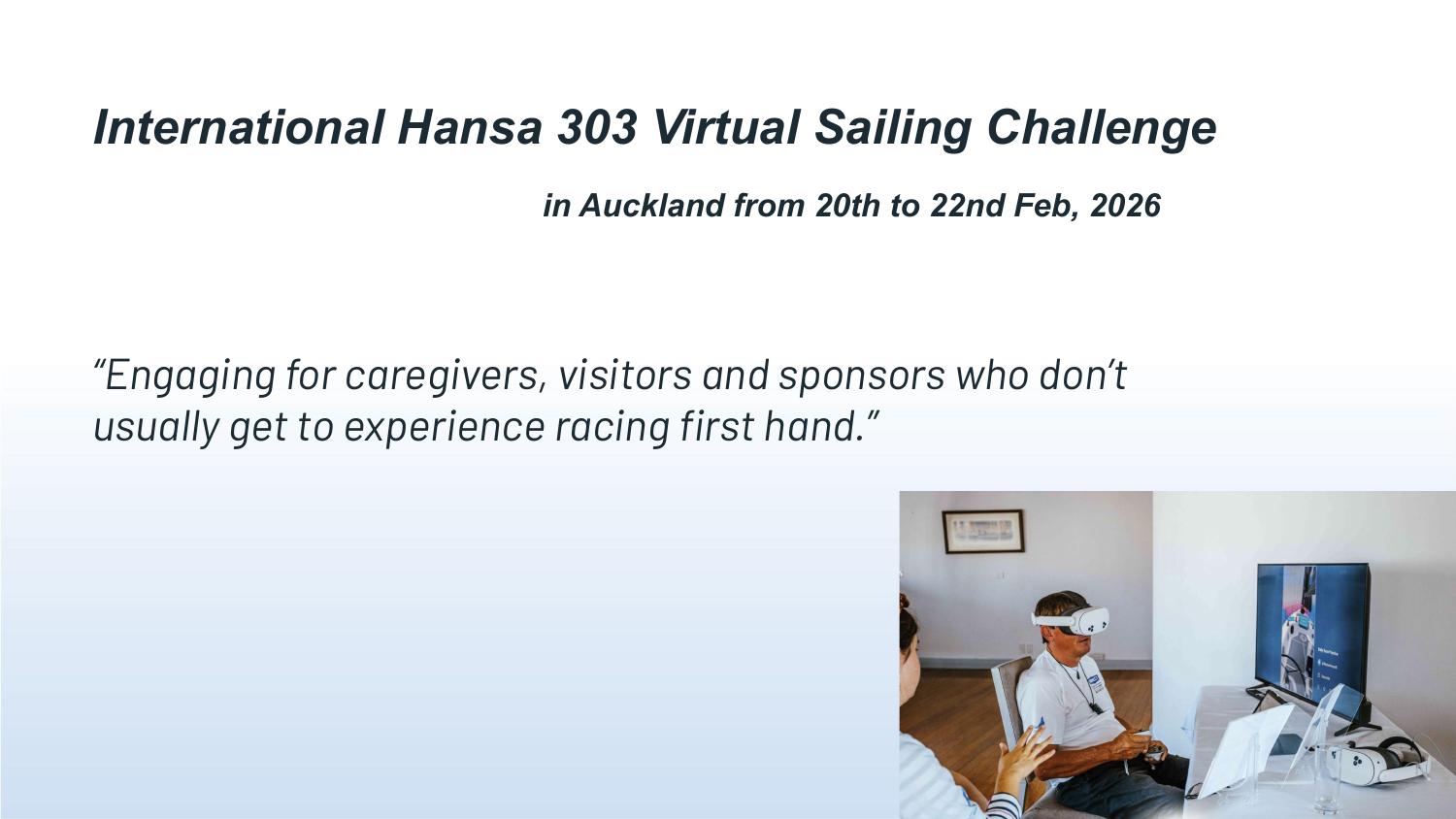
The inaugural International Hansa 303 Virtual Sailing Challenge, held in Auckland from 20–22 February 2026 alongside the SKUD 18 International Match Race Challenge. “Engaging for caregivers, visitors and sponsors who don’t usually get to experience racing first hand.”
With only four real boats, around two-thirds of crews were ashore at any moment. VR plus live boat tracking kept crews, caregivers, sponsors and not-yet-confident sailors engaged.
Run as a no-pressure race against the clock, a large TV showing the VR view and a live leaderboard turned the setup into a focal point onshore, complete with prizes and a trophy.
And here are photos from some other events:
Use 2: A Conceptual Training Tool
Use two — a conceptual training tool.
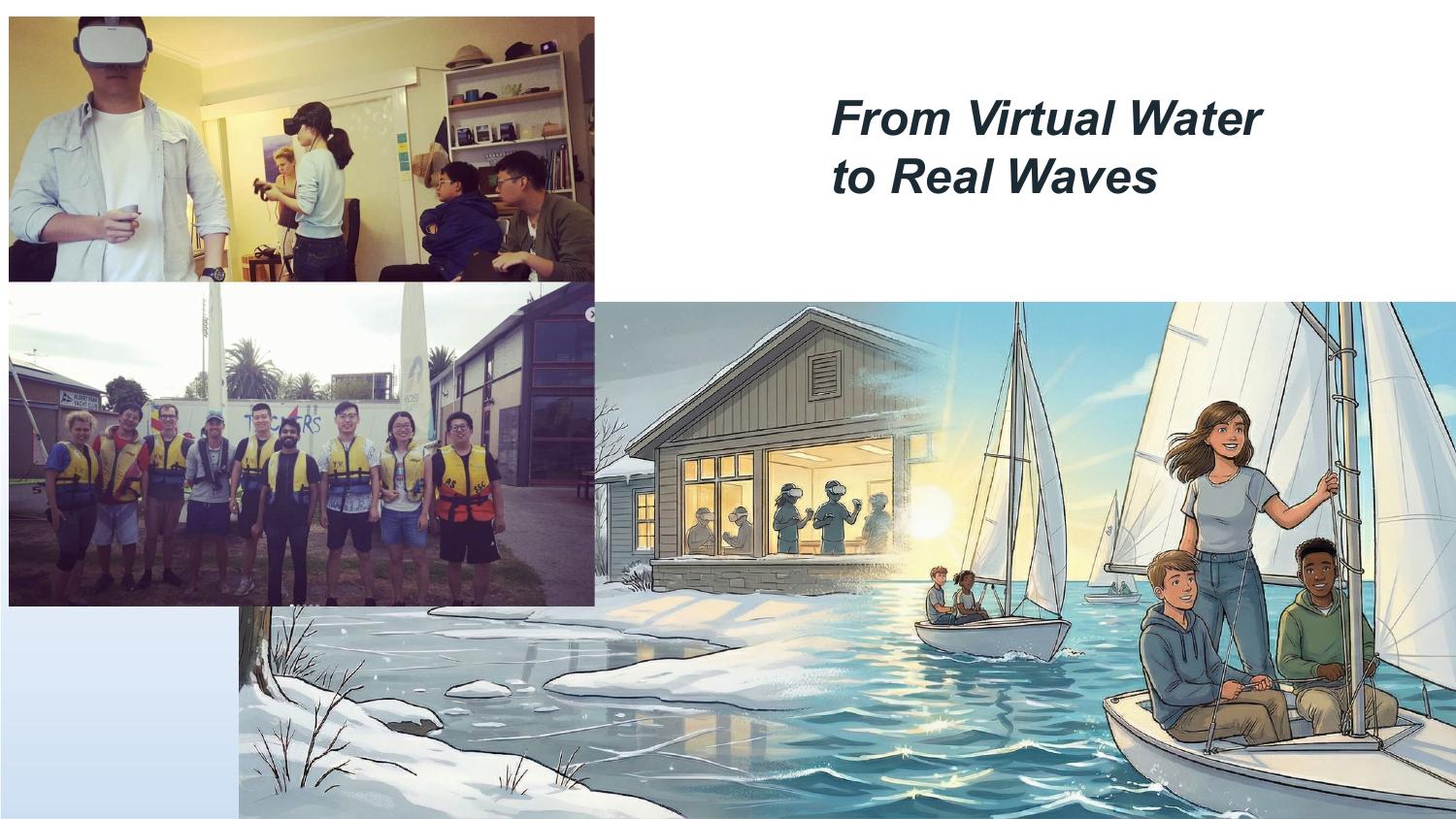
From virtual water to real waves: breaking skills into components — the no-go zone, tacking and gybing — before leaving the dock.
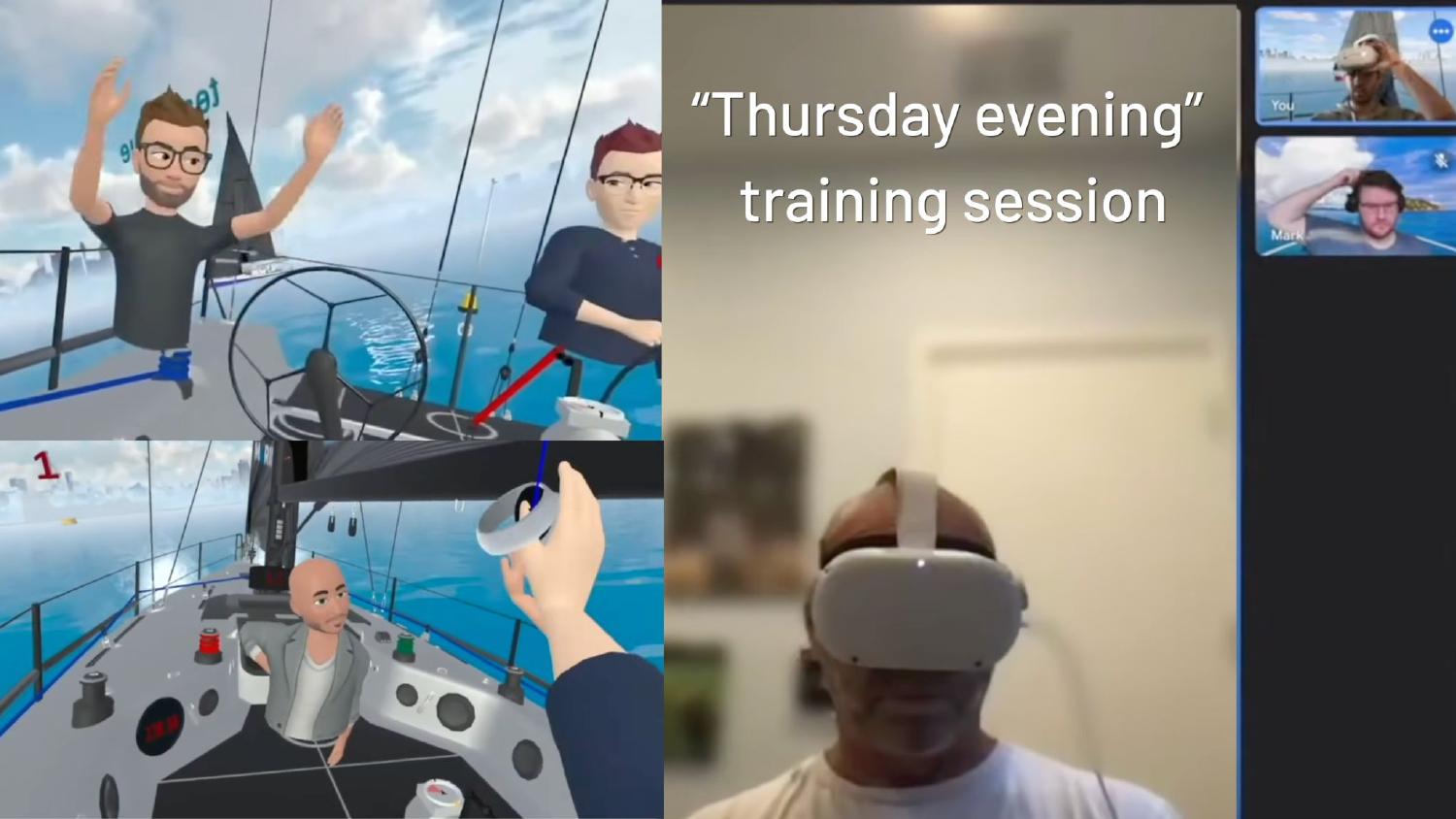
A “Thursday evening” training session run online, with participants joining from home.
Programs already exploring this include a Chicago Sea Scouts winter program and university students in Melbourne — and even a multiplayer session with sailors in Texas and Australia on the same virtual boat.
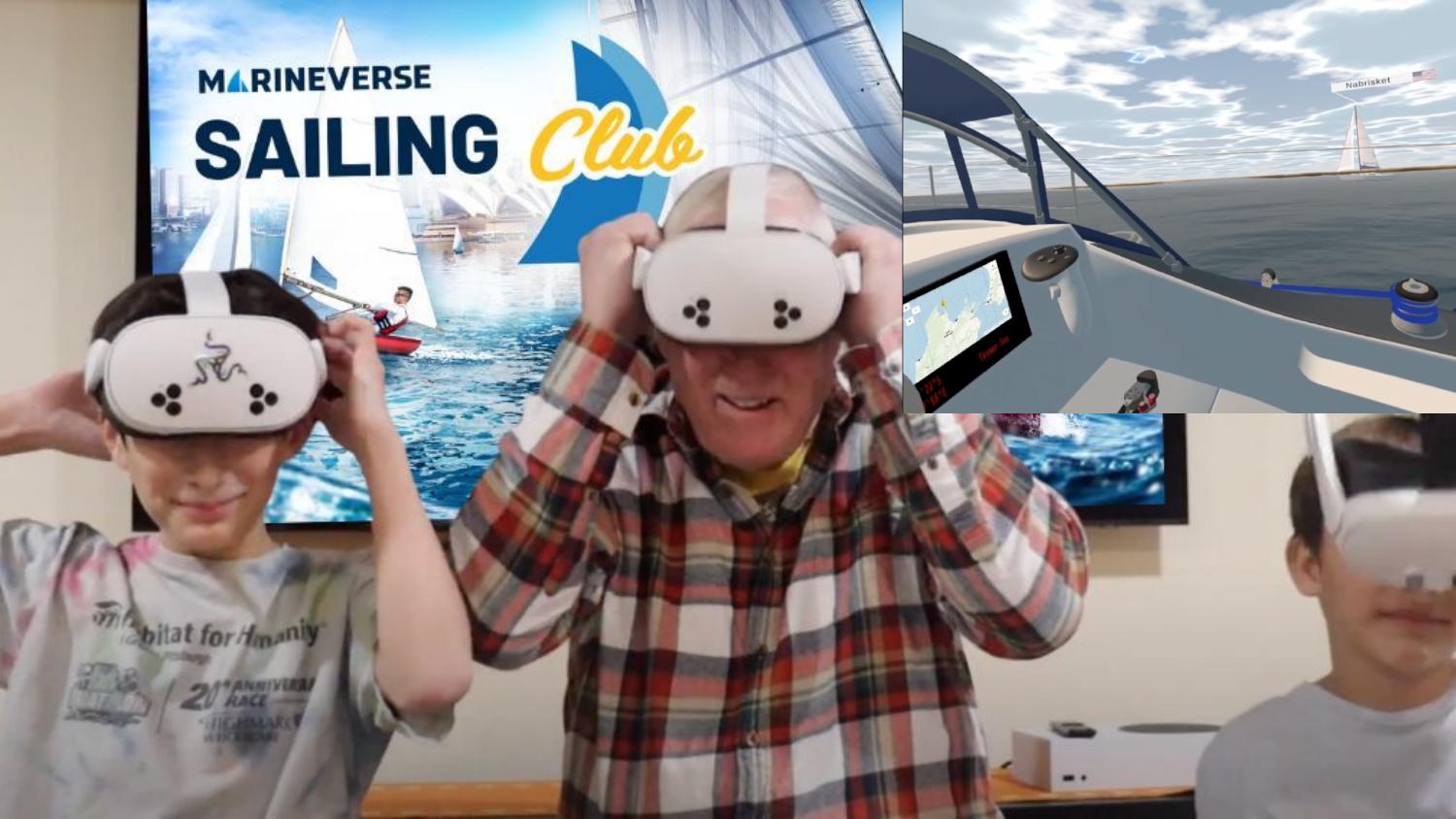
Below, Barry practicing with his sons:
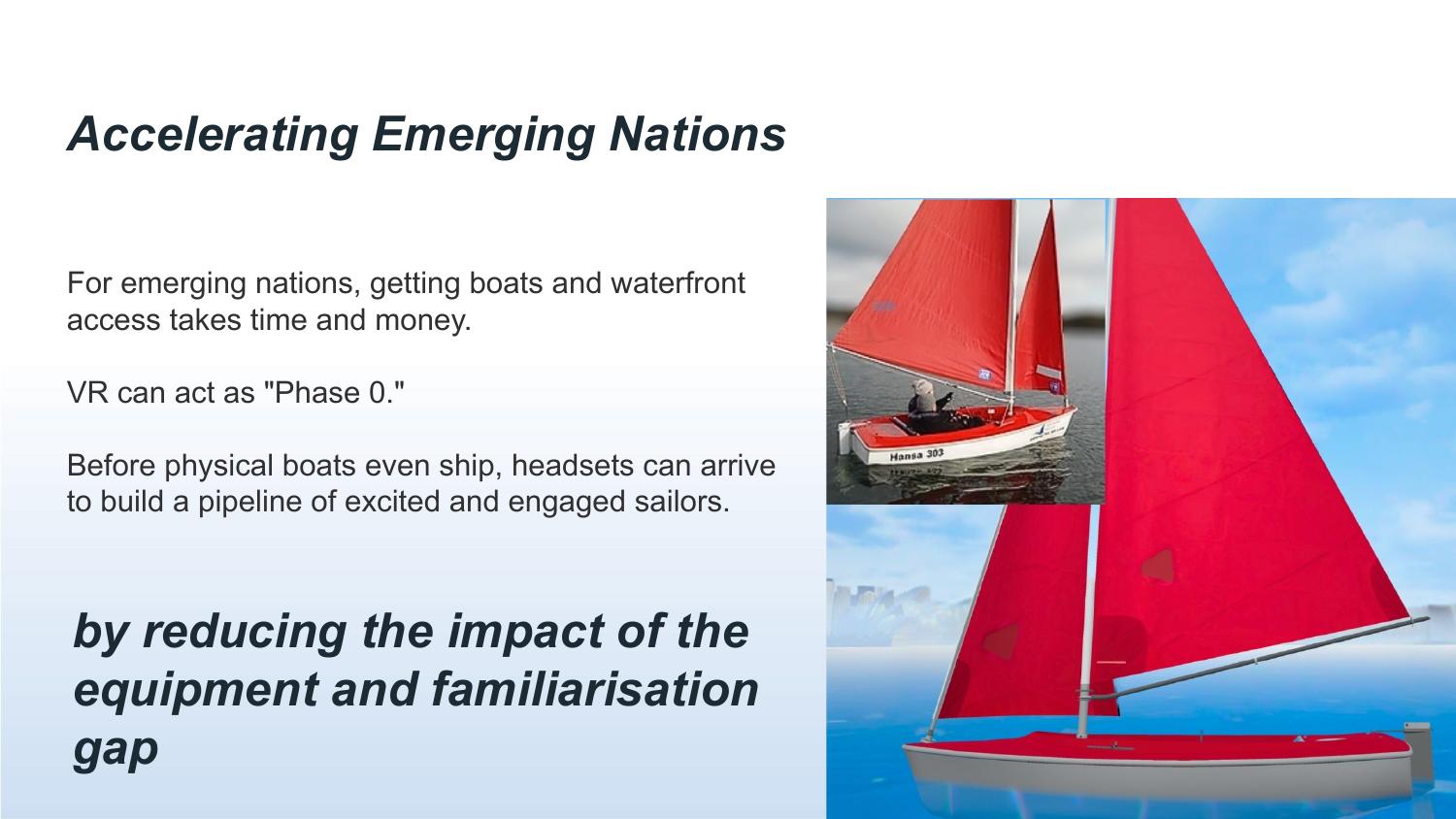
“Phase 0” for emerging nations: getting boats and waterfront access takes time and money, but before physical boats even ship, headsets can arrive to build a pipeline of excited, engaged sailors — reducing the impact of the equipment and familiarisation gap.
Use 3: At-Home Repetition and Community
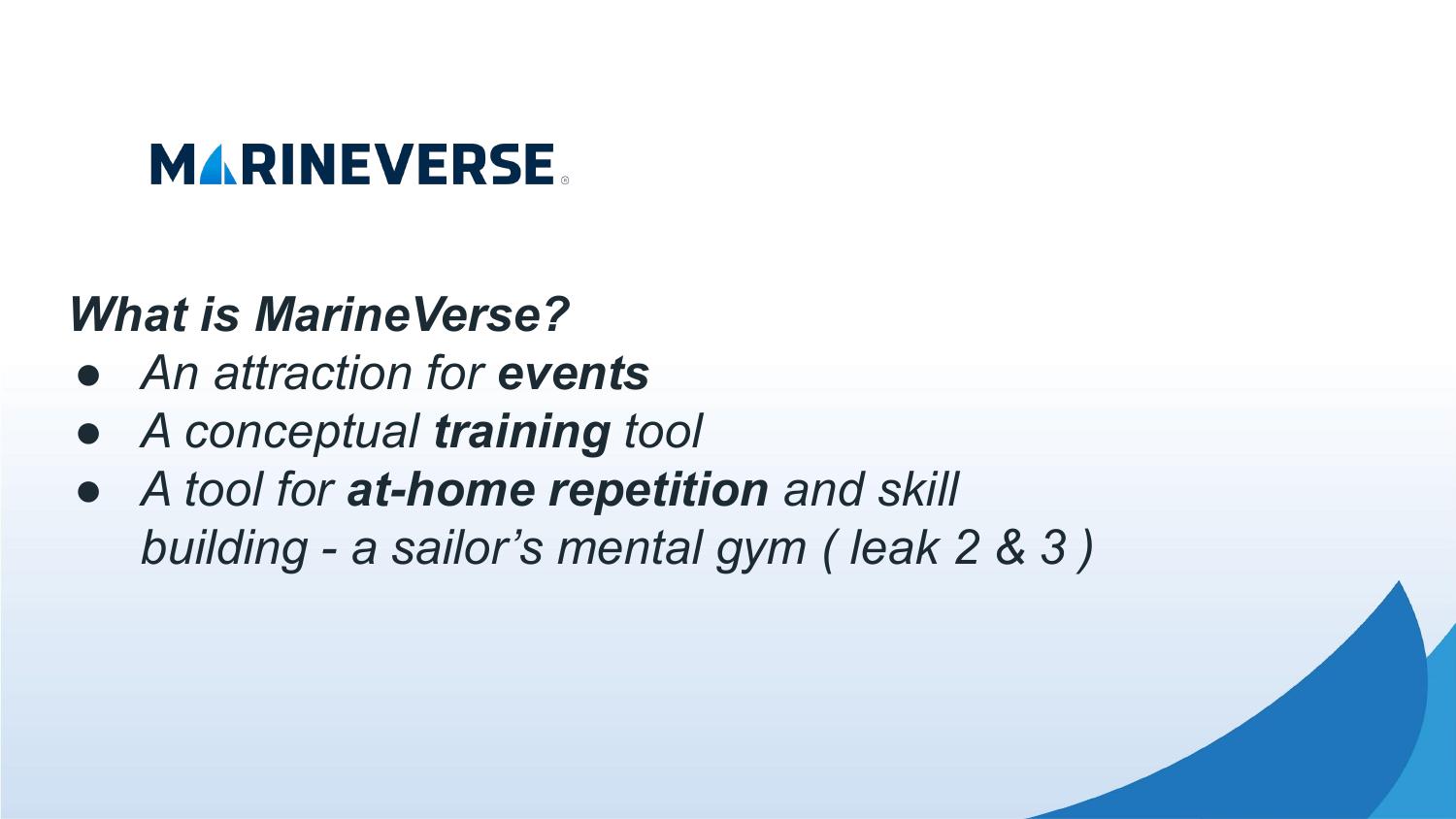
Use three — at-home repetition and skill-building: a sailor’s mental gym.
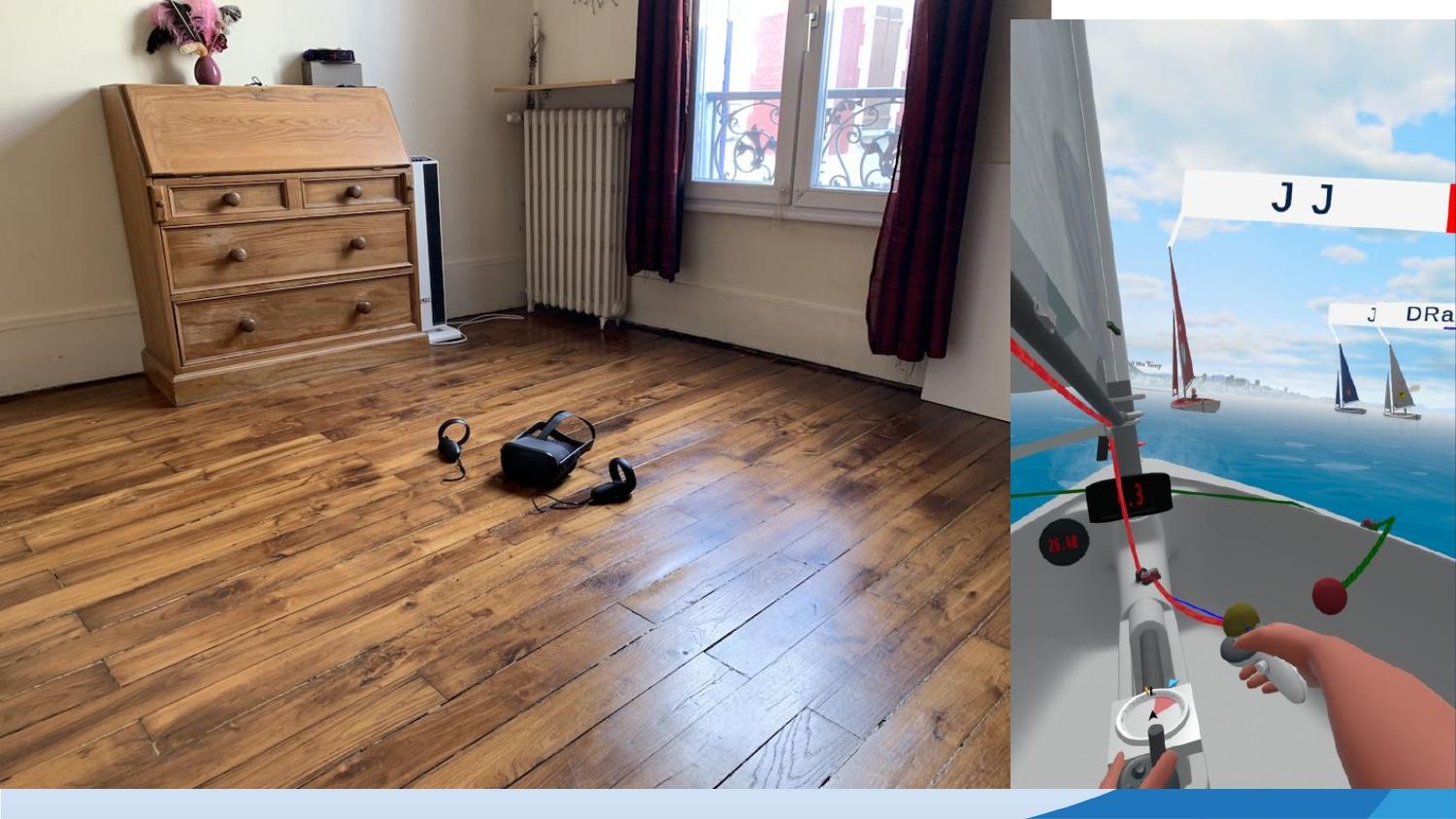
The most popular use today: practising at home on a standalone headset.
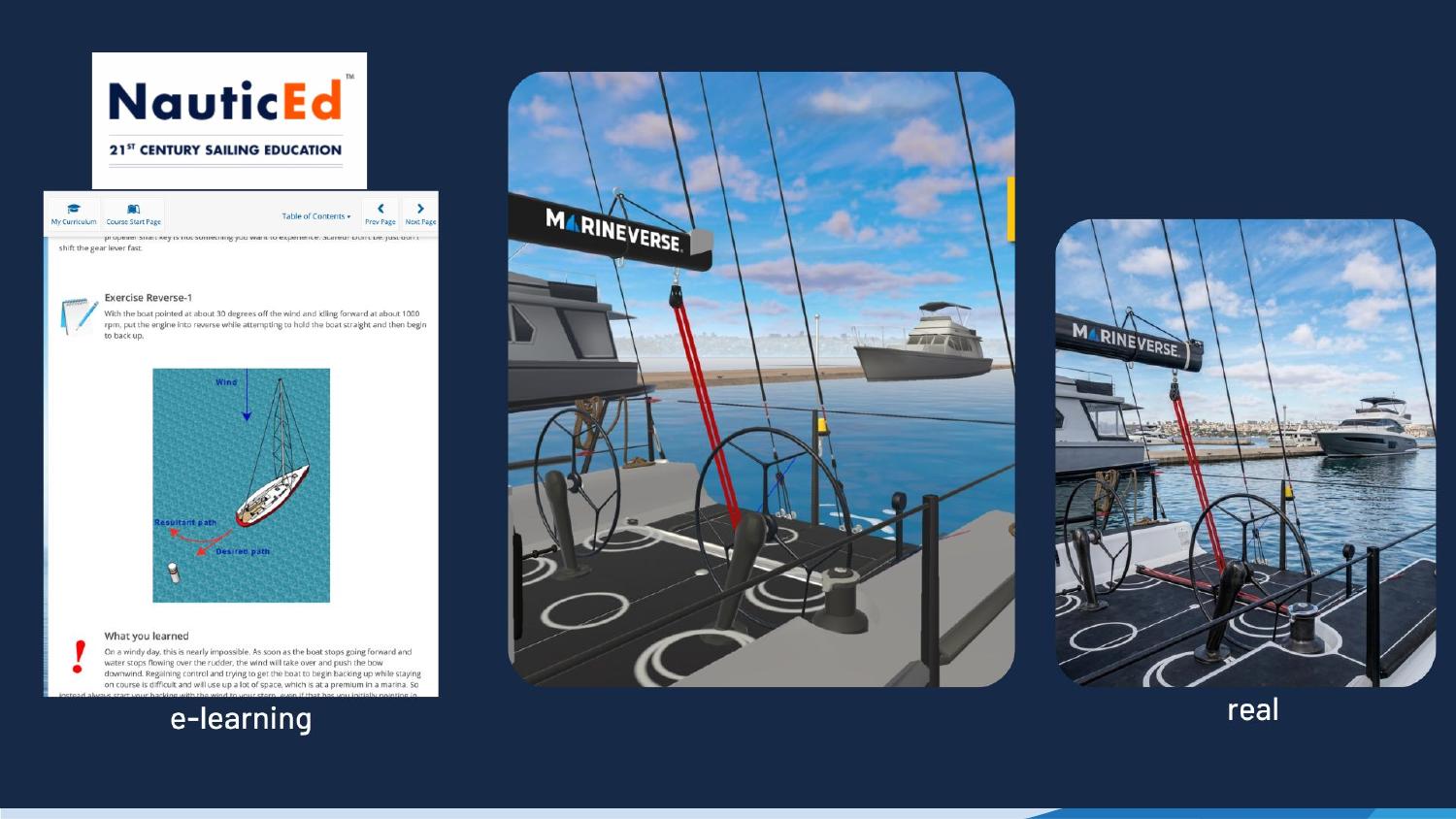
An e-learning docking-under-power course, mirrored as hands-on VR practice.
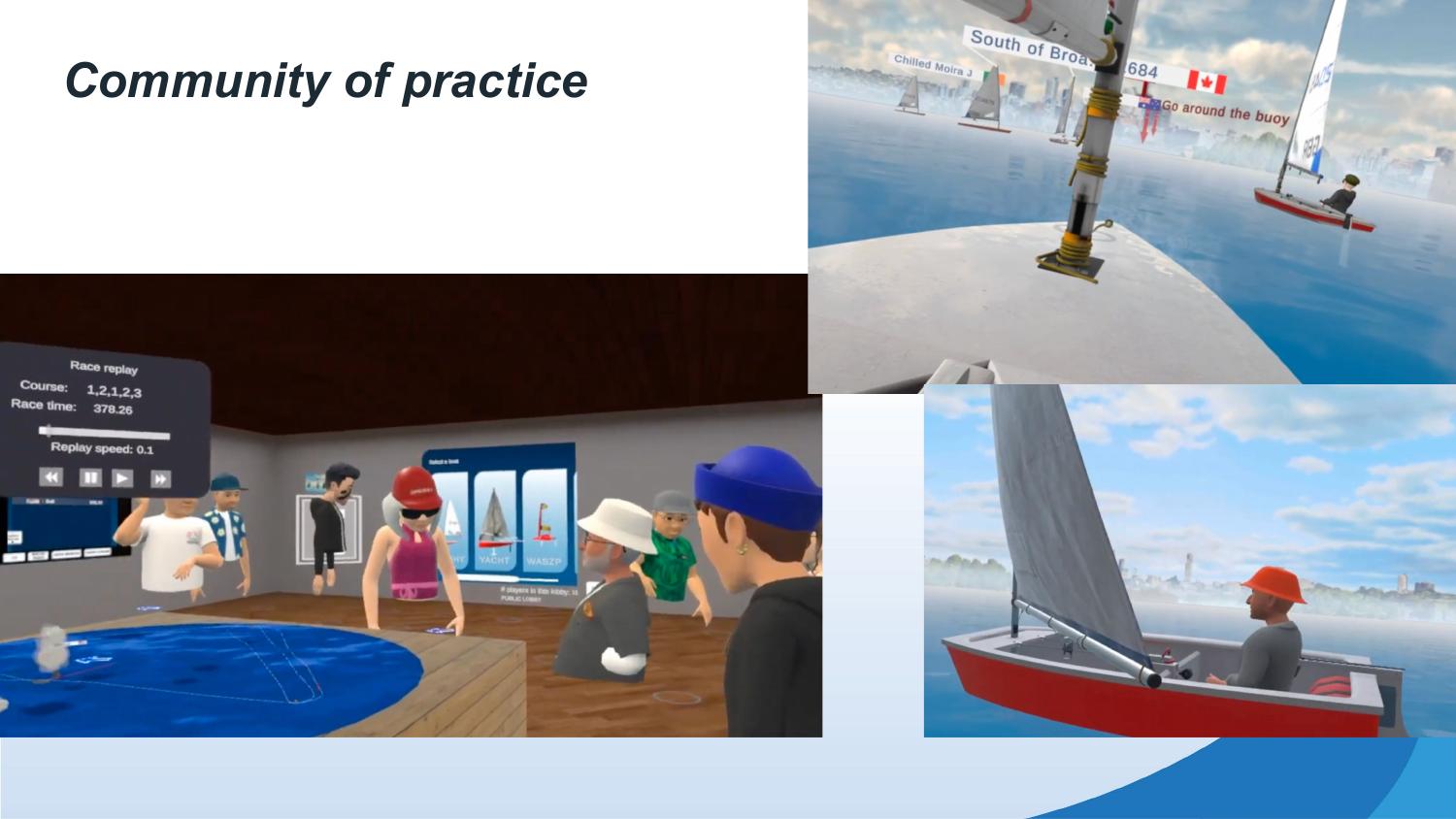
A community of practice: a clubhouse, voice chat, race replays and a round-the-world mode connect sailors across the globe.
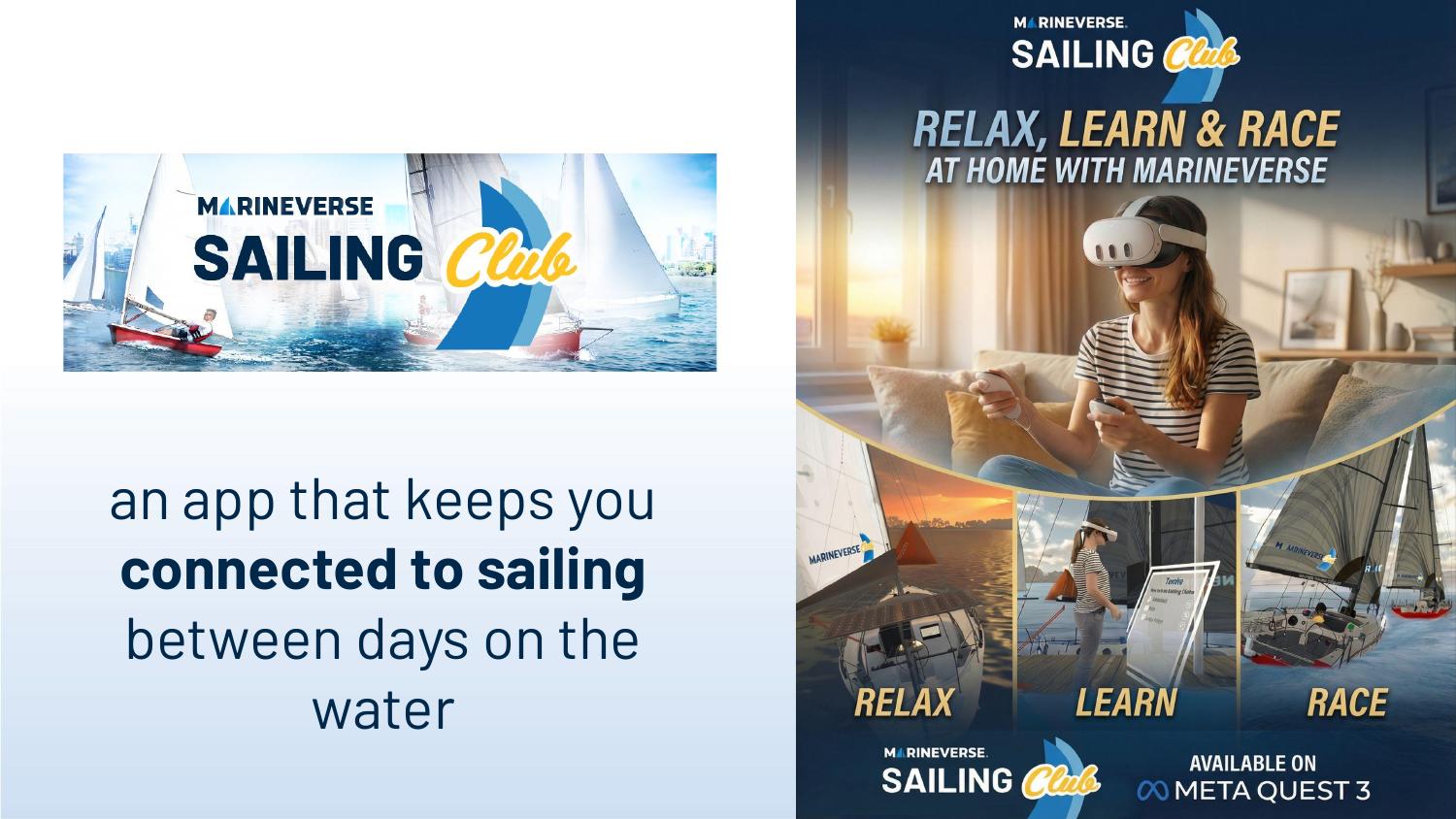
At heart, it’s a MarineVerse app that keeps you connected to sailing between days on the water.
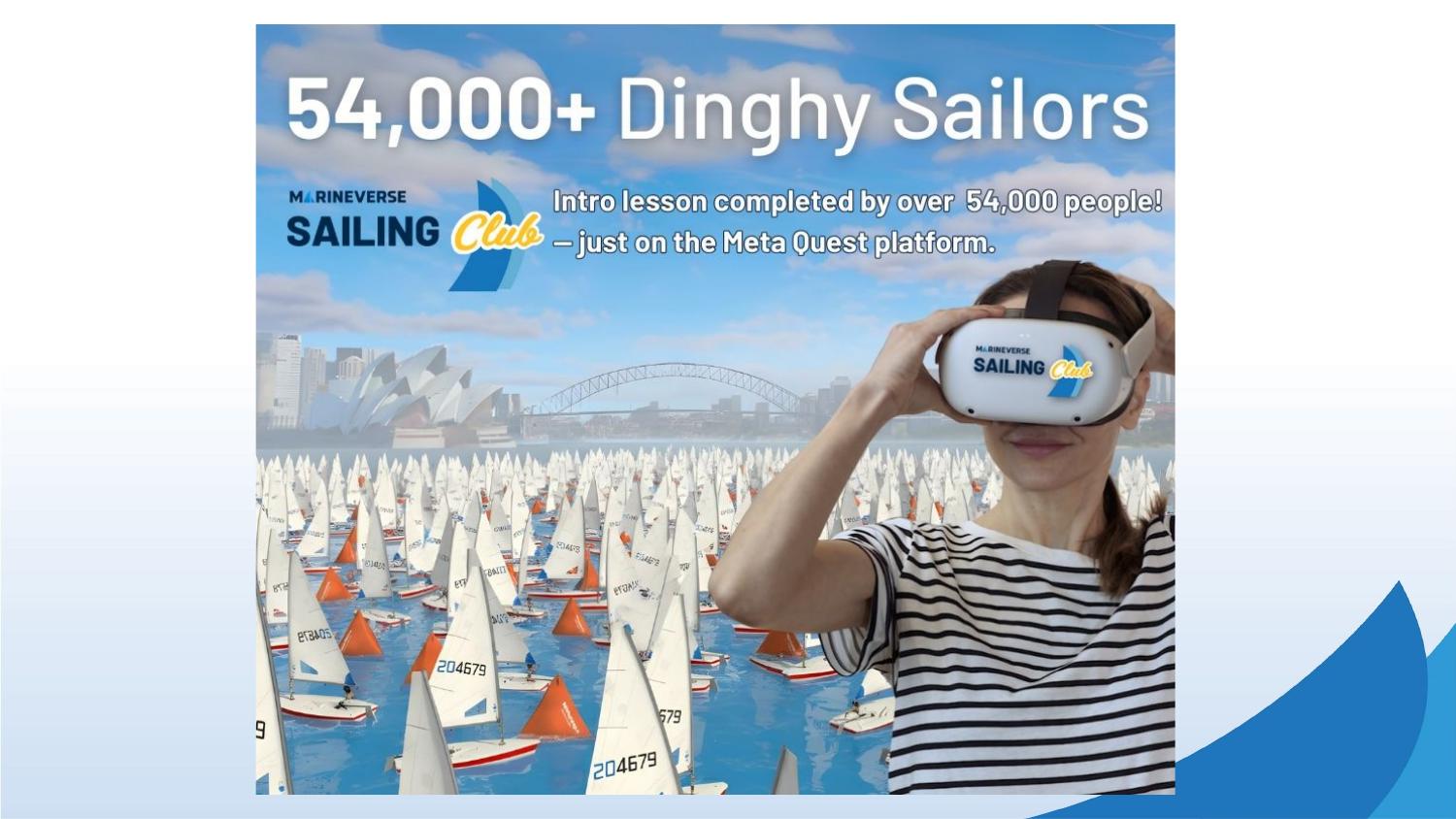
More than 54,000 people have now tried MarineVerse in VR as of 2026 — and around half of those surveyed recently are aged 50 or over, countering the assumption that VR is “only for kids.”
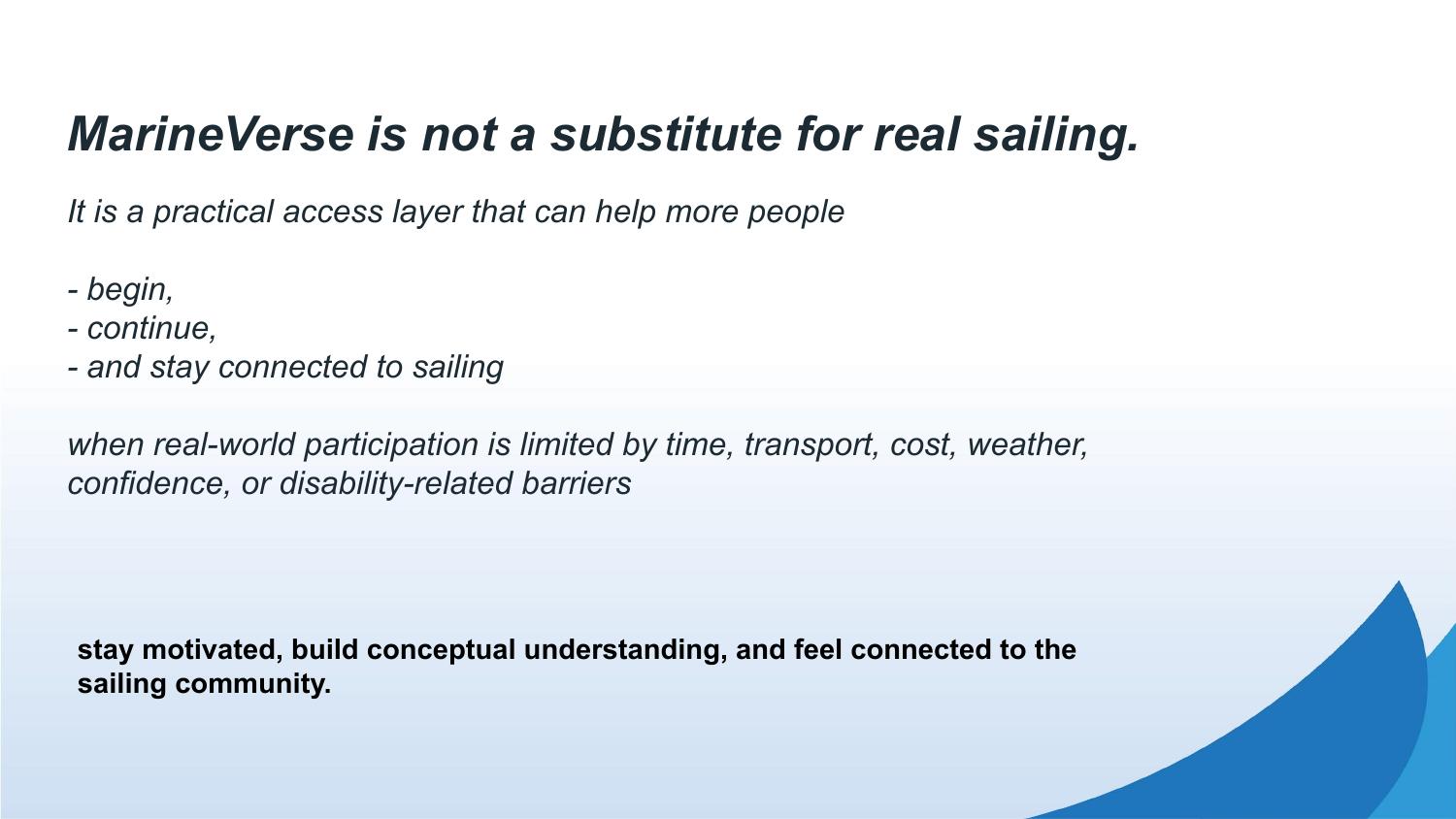
MarineVerse is not a substitute for real sailing. It’s a practical access layer that helps more people begin, continue, and stay connected to sailing when real-world participation is limited by time, transport, cost, weather, confidence, or disability-related barriers.
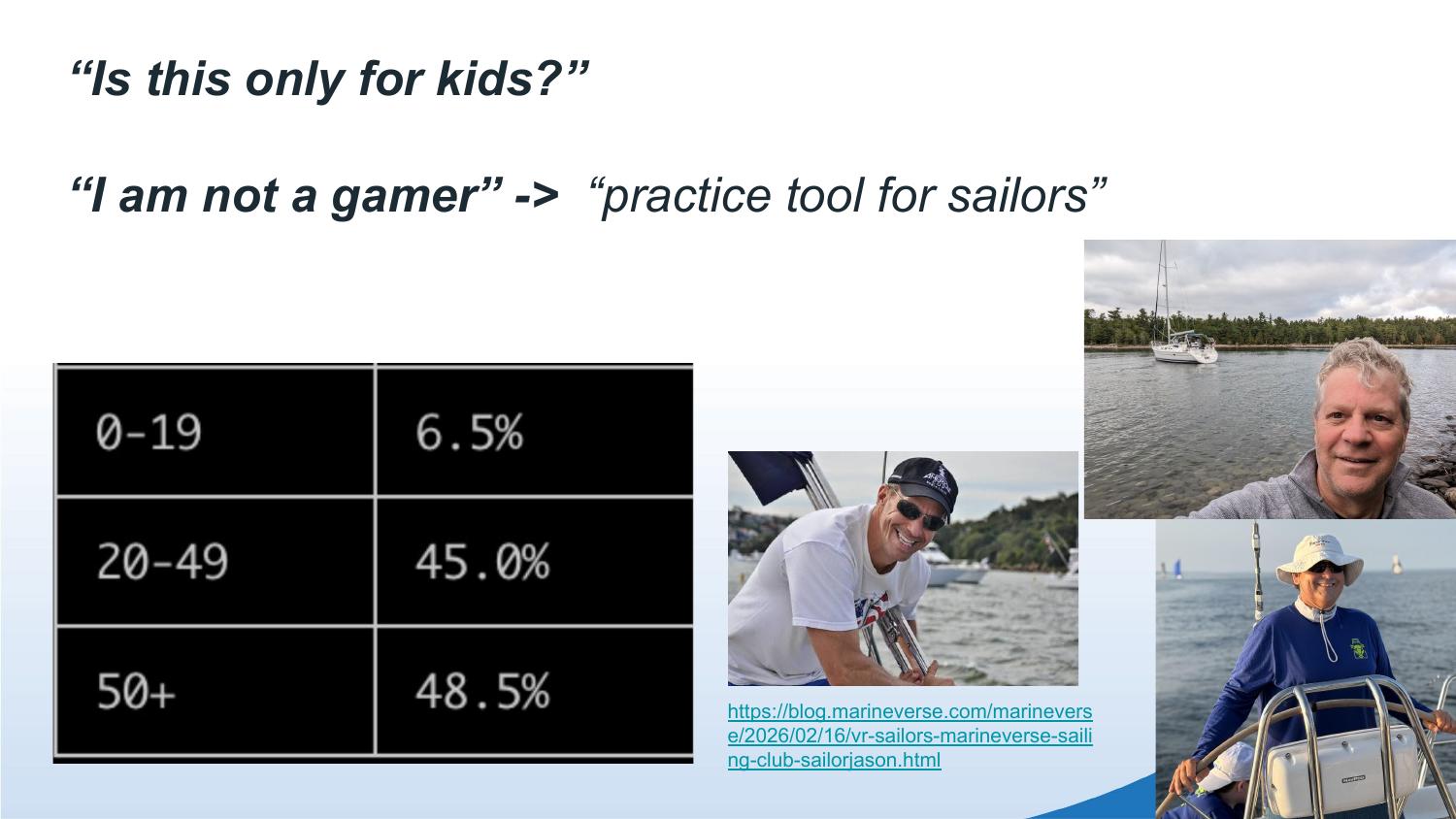
Two common reactions — “Is this only for kids?” and “I’m not a gamer” — give way to a simpler description: a practice tool for sailors.
Meet some of the sailors in our community here: https://blog.marineverse.com/marineverse/2026/02/05/vr-sailors-marineverse-sailing-club-sealander.html
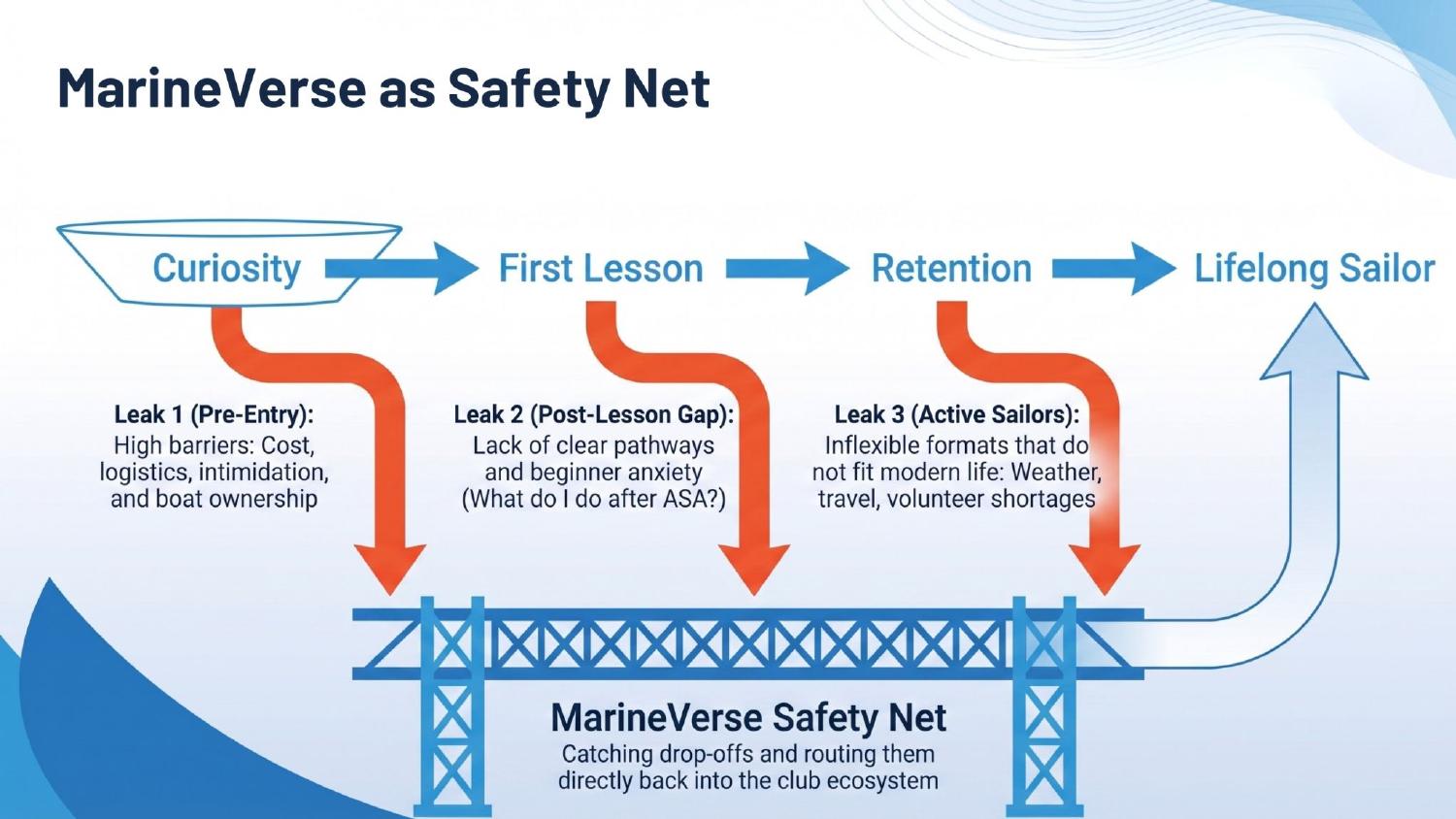
MarineVerse as a safety net across the journey from curious newcomer to lifelong sailor.
Recap of the Three Uses
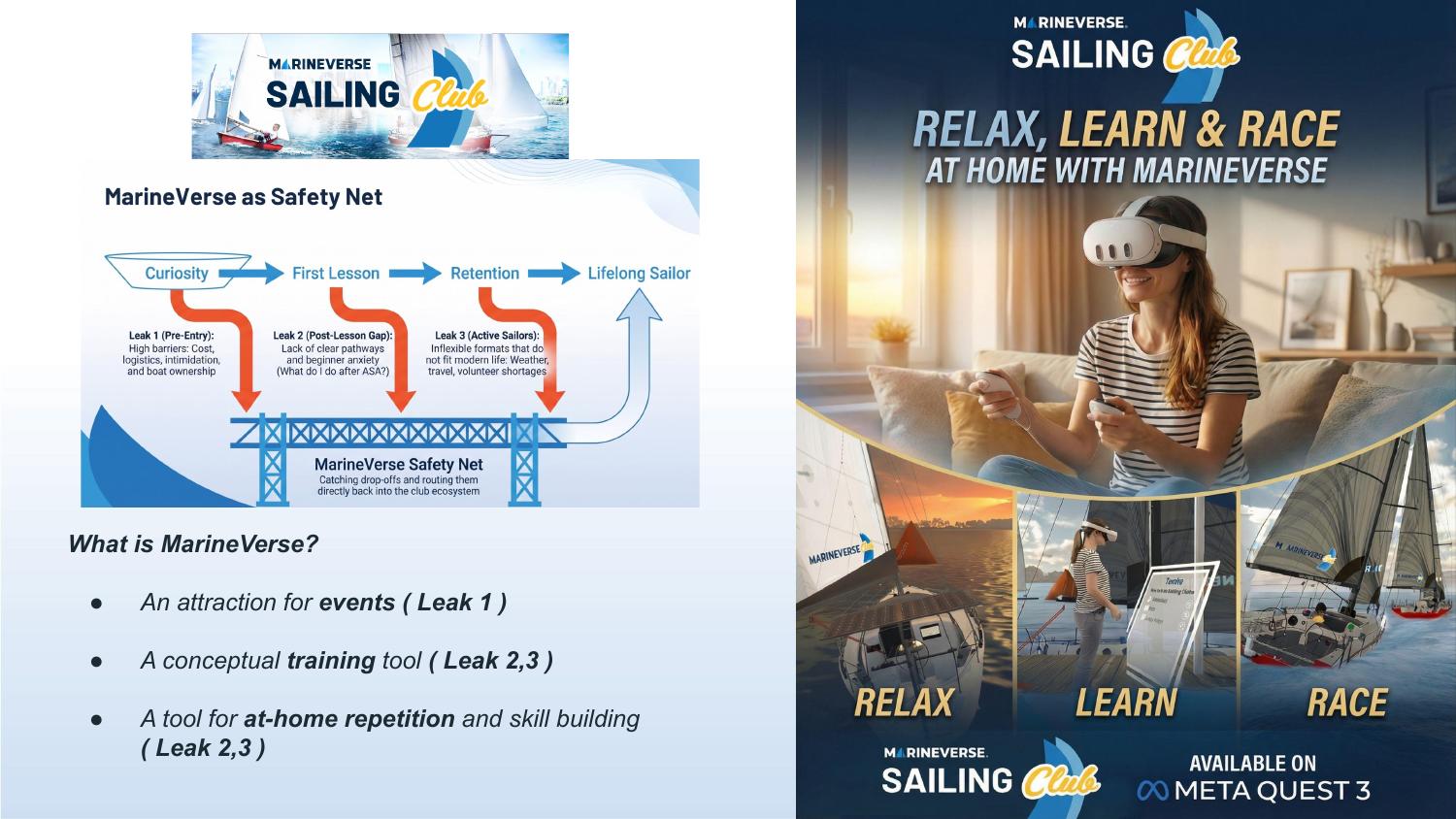
The three uses together: an attraction for events, a conceptual training tool, and an at-home repetition engine.
How to Get Started

So, how do you actually get started?
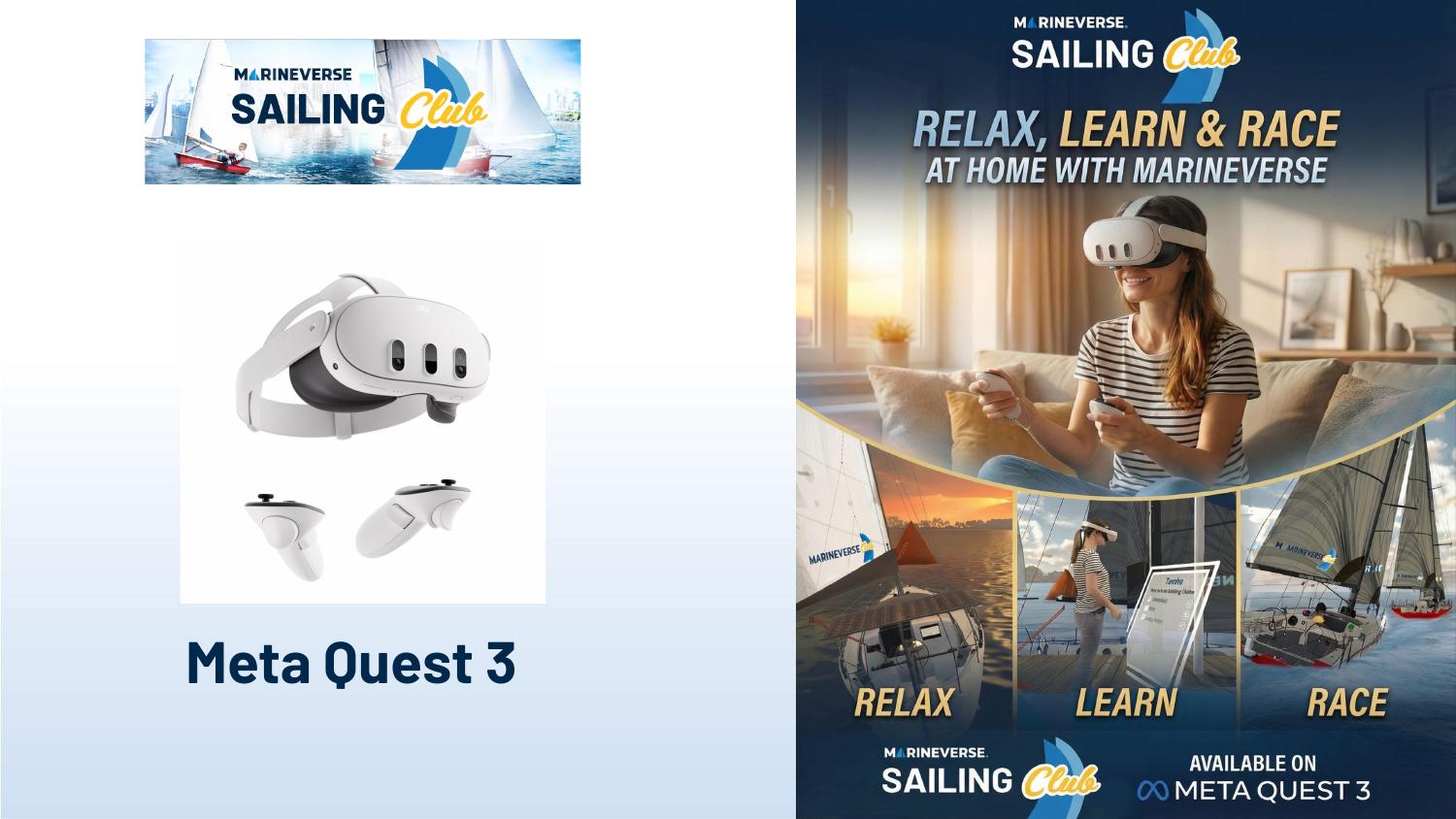
All you need is a standalone Meta Quest headset.
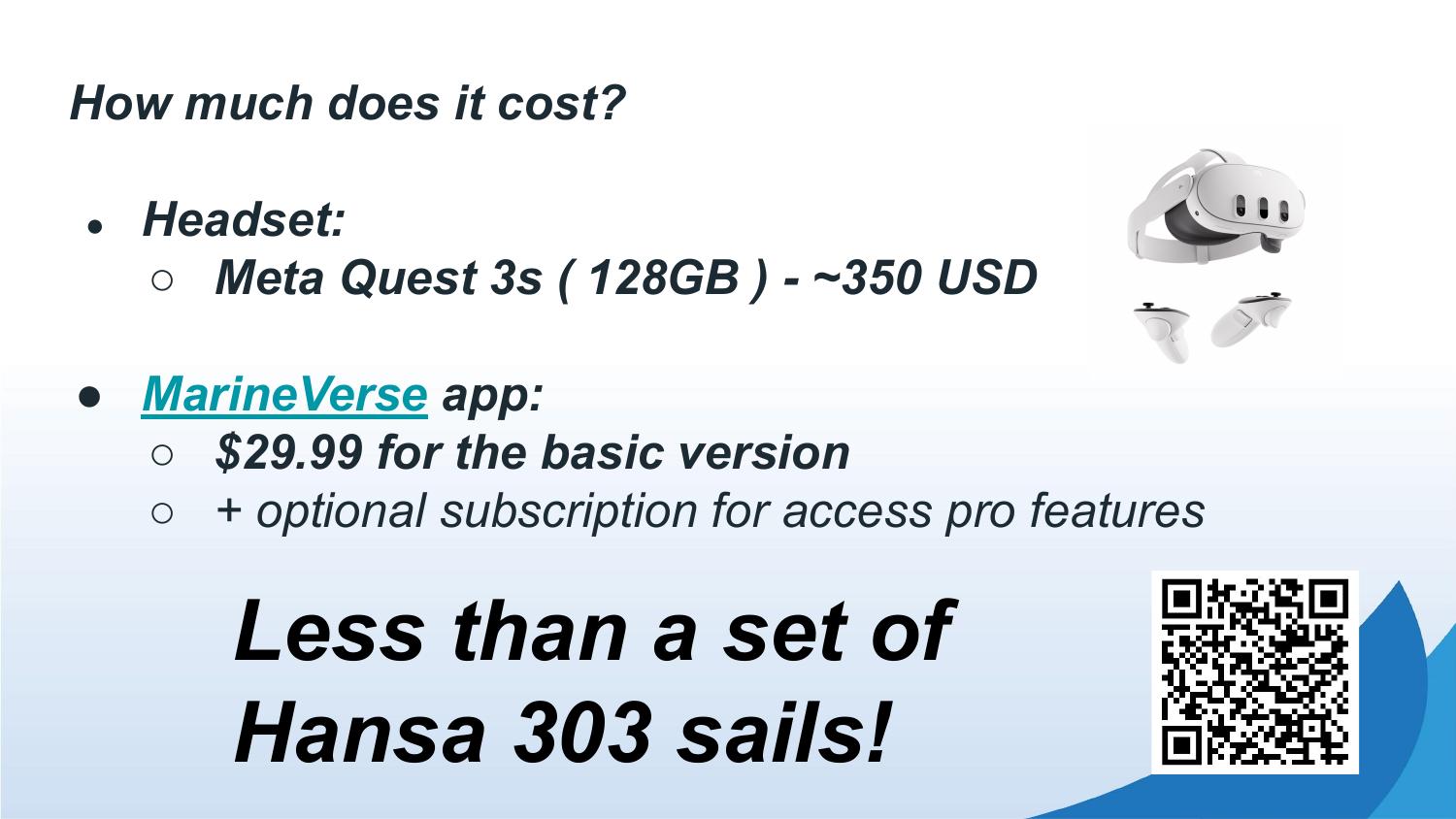
A Meta Quest 3S (128GB) is around US$350, and the MarineVerse app is $29.99 for the basic version, with an optional club membership for pro features. That’s under US$400 all in — less than a set of new Hansa 303 sails.
Start here: https://www.marineverse.com/try-the-easiest-vr-sailing
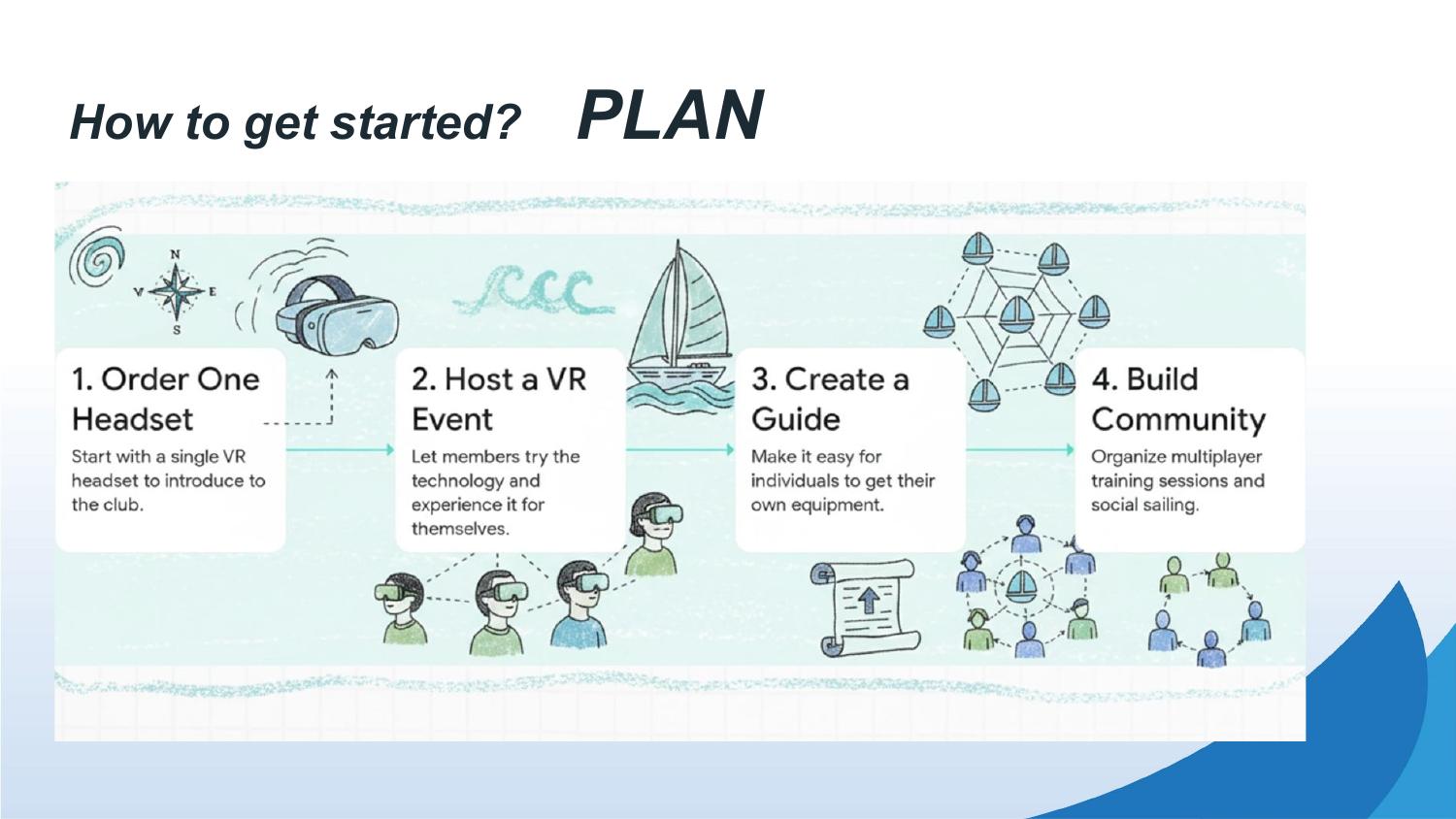
A simple plan: order your own headset, organise your own VR event, make it easy for others to start with a guide, and grow a community around multiplayer training and social sailing.
Running Your Own VR Event
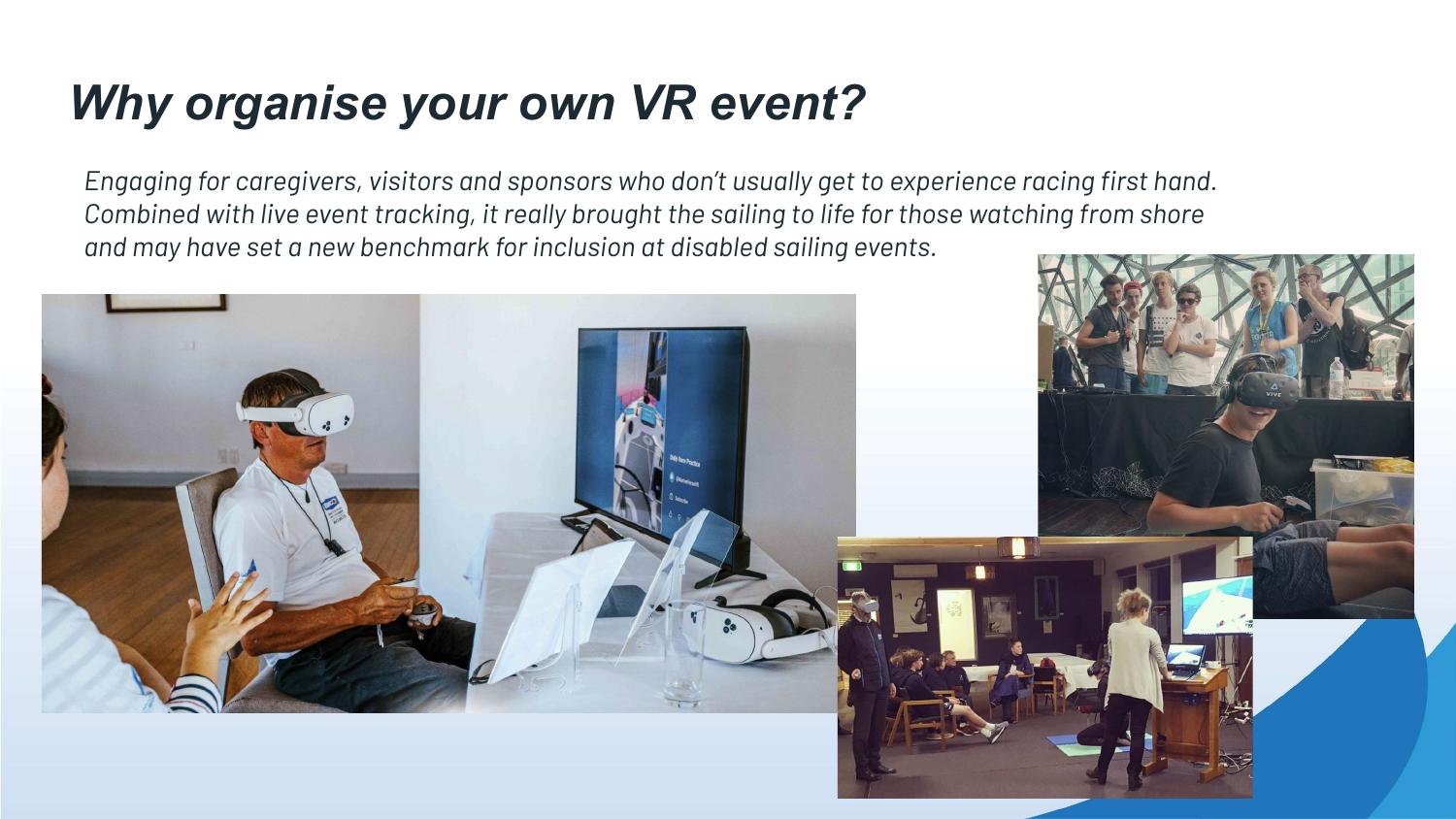
Why host one? It’s engaging for caregivers, visitors and sponsors who don’t usually get to experience sailing first hand. Combined with live event tracking, it really brings the sailing to life for those watching from shore — and may set a new benchmark for inclusion at disabled sailing events.
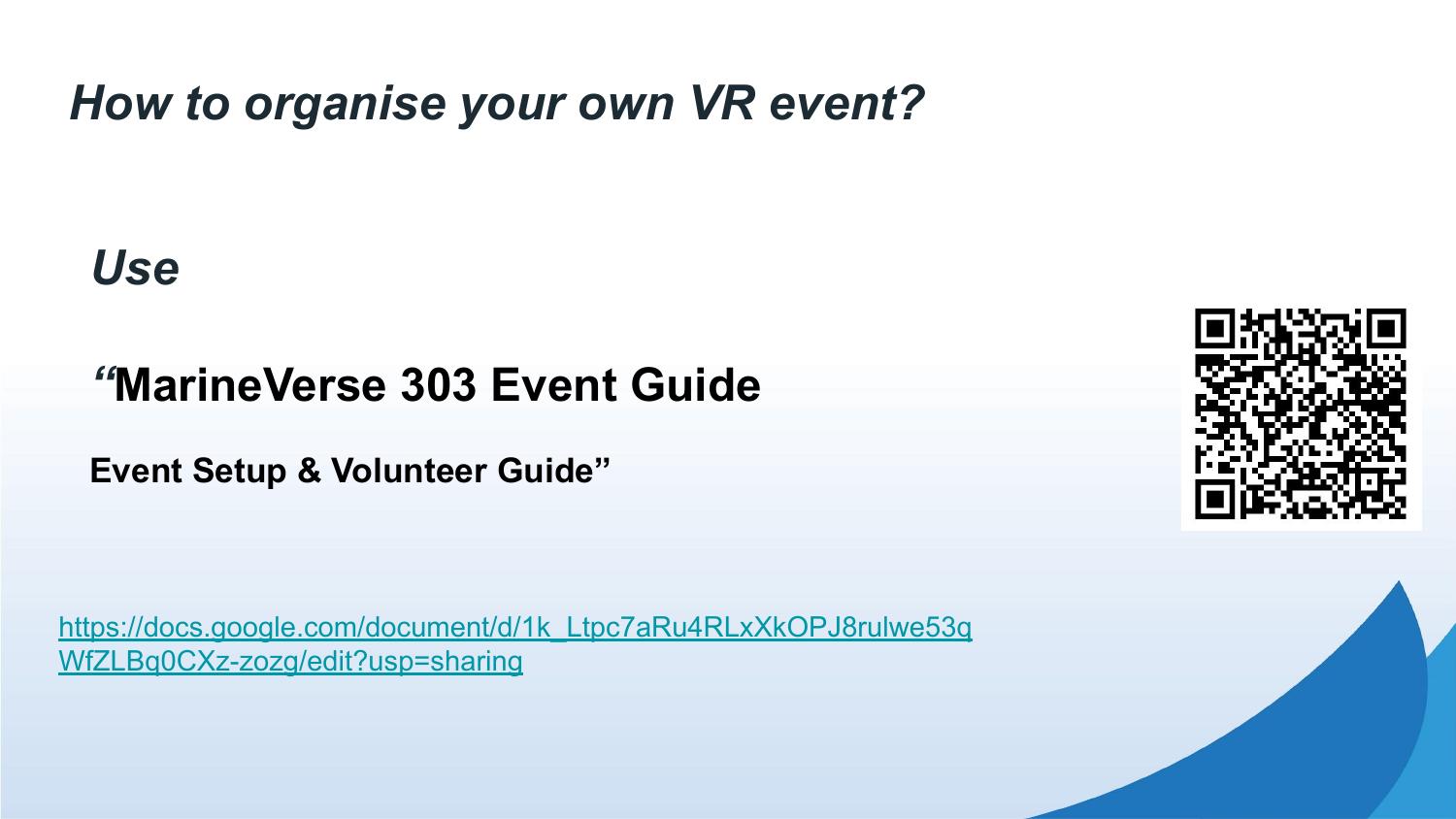
We’ve published a MarineVerse 303 Event Guide — Event Setup & Volunteer Guide to make it easy to run your own.
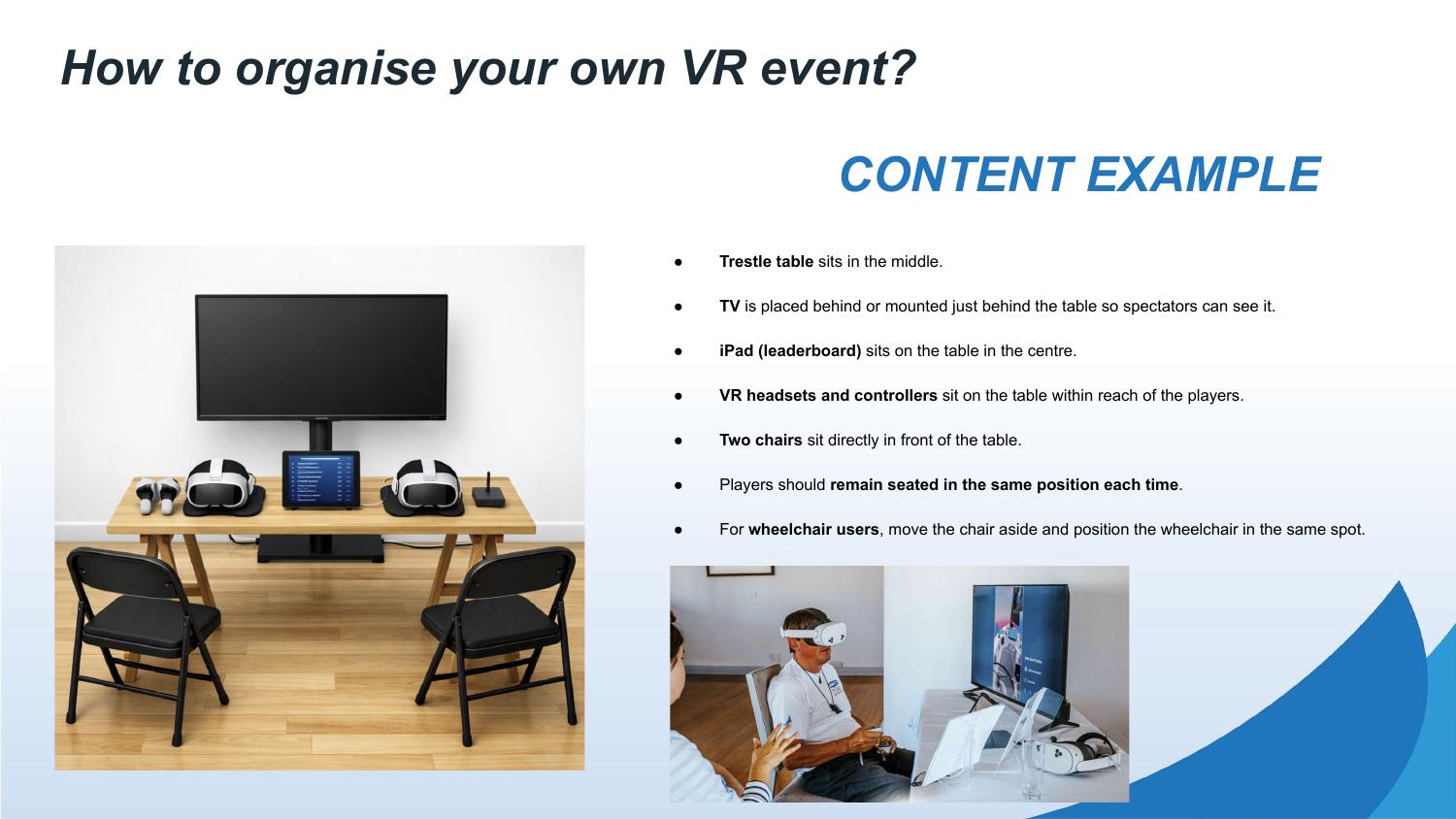
A simple layout: a trestle table in the middle with the headsets and controllers, an iPad leaderboard in the centre, a TV behind so spectators can see, and two chairs in front. Players stay in the same position each time, with a fixed spot for wheelchair users.
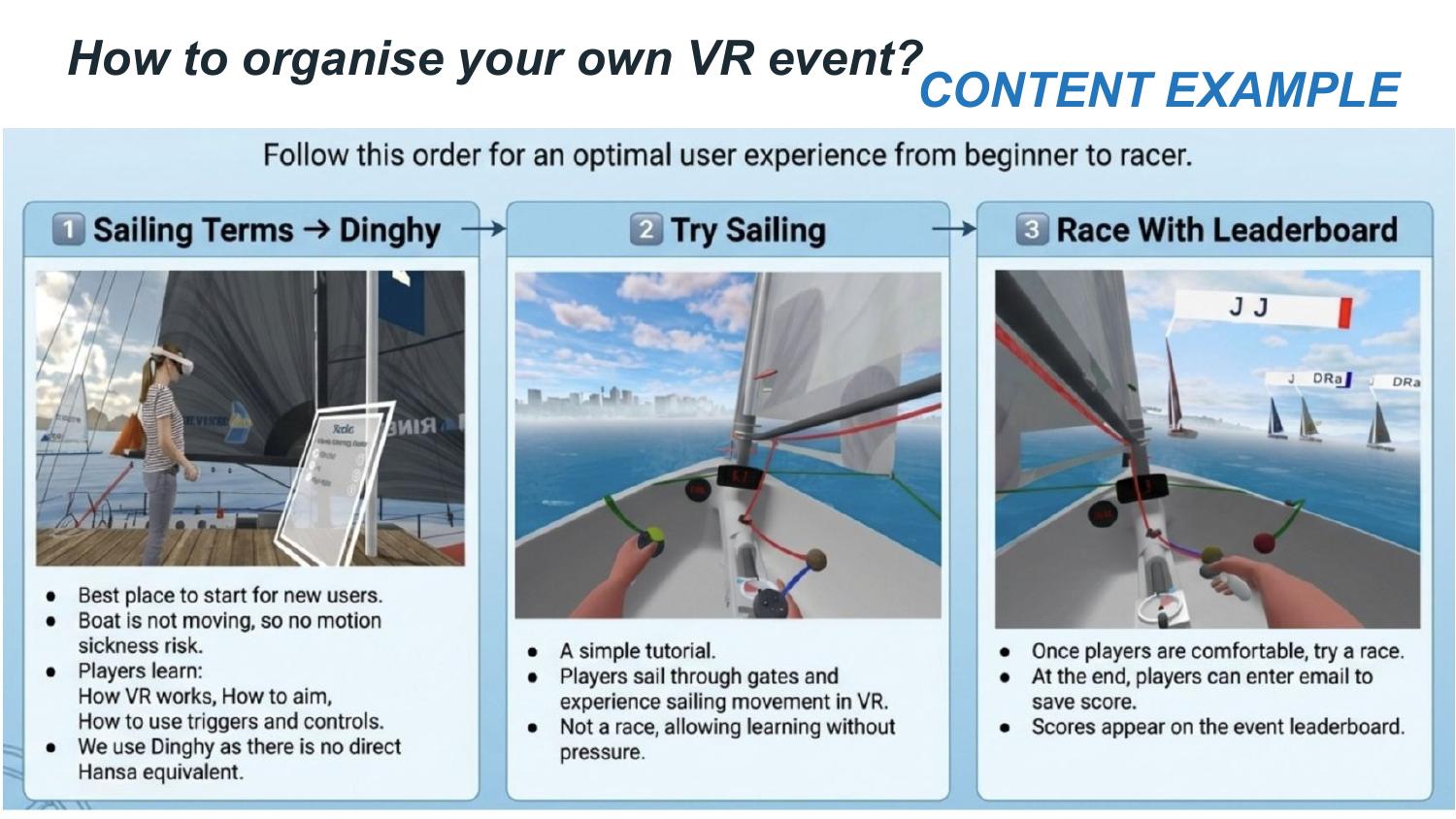
The setup in practice.
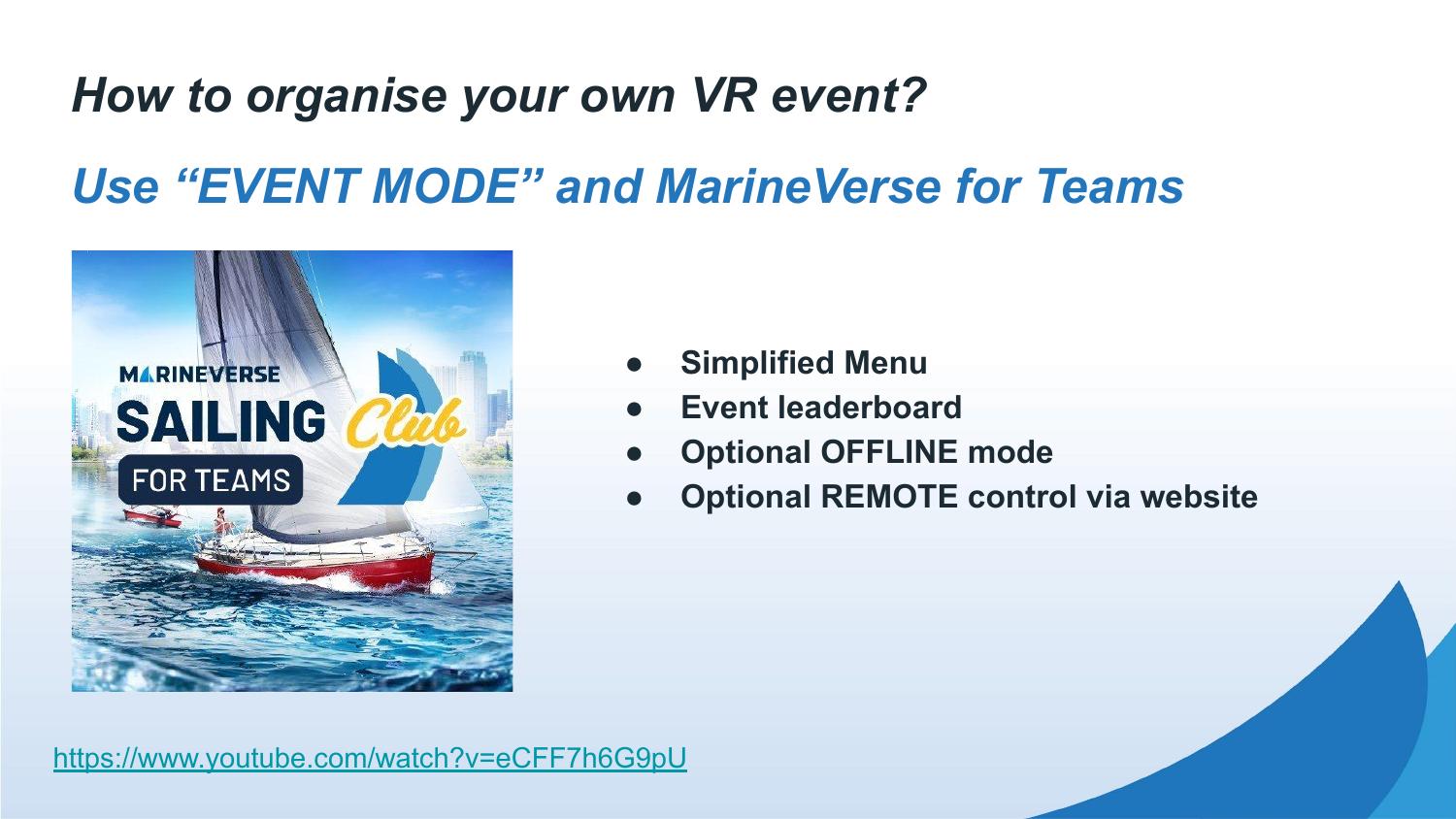
“Event mode” and MarineVerse for Teams add a simplified menu, an event leaderboard, an optional offline mode, and optional remote control from a website.
Recap and Call to Action
The recap: friction — the progression gap and the equipment familiarisation gap — causes sailors to drop out; MarineVerse acts as a safety net that keeps them engaged, inspired and conceptually confident between days on the water; the three core uses are events, training and at-home repetition; and the next step is to order a headset and plan a local VR event.
The takeaway: there’s now a practical tool sailors can use at home to stay connected to sailing between days on the water — it’s VR. Order a headset and try it at your club.
The call to action: order your own headset, plan your own VR event, and reach out if you have any questions.
Get in touch: [email protected], [email protected], and https://www.marineverse.com/contact. Let’s sail more often!
Bonus: Extra content

A few bonus topics we didn’t have time to cover during the session.
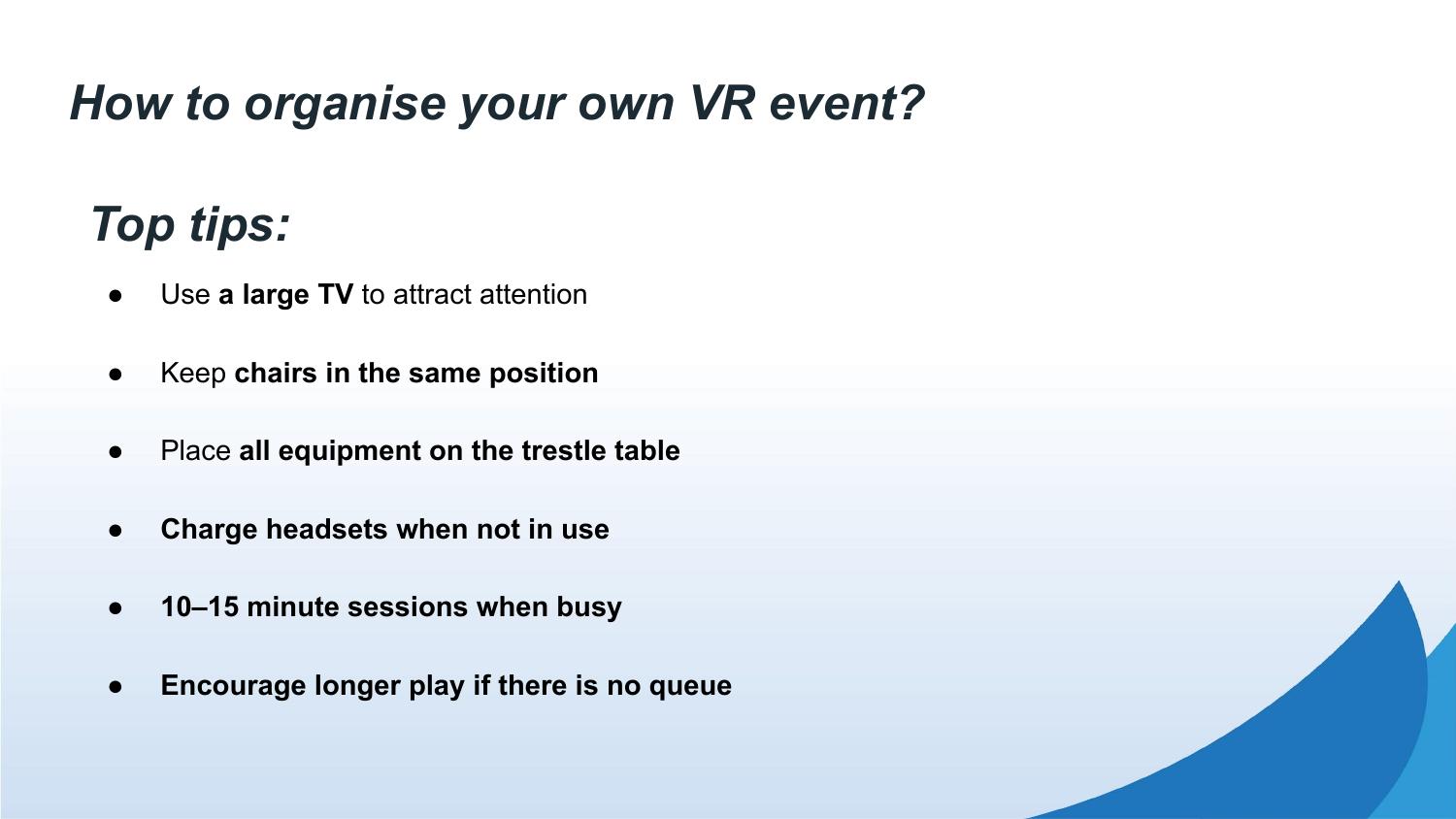
Top event tips: use a large TV to attract attention, keep chairs in the same position, place all equipment on the trestle table, charge headsets when not in use, and run 10–15 minute sessions when busy (and encourage longer play when there’s no queue).
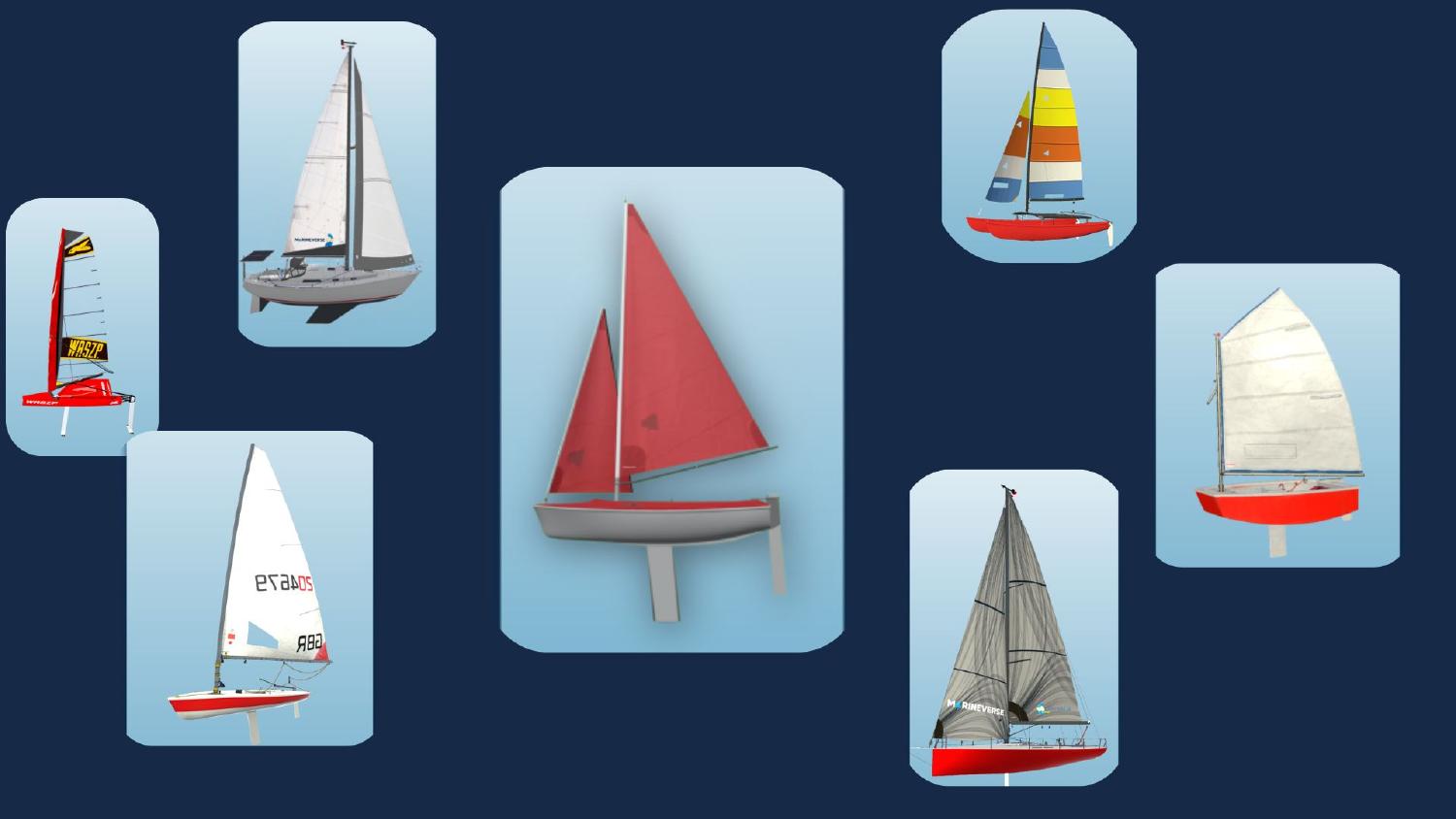
The boats we have in MarineVerse as of 2026: Hansa 303, Dinghy, Opti, Cruising & Racing Yachts, Waszp, Catamaran.
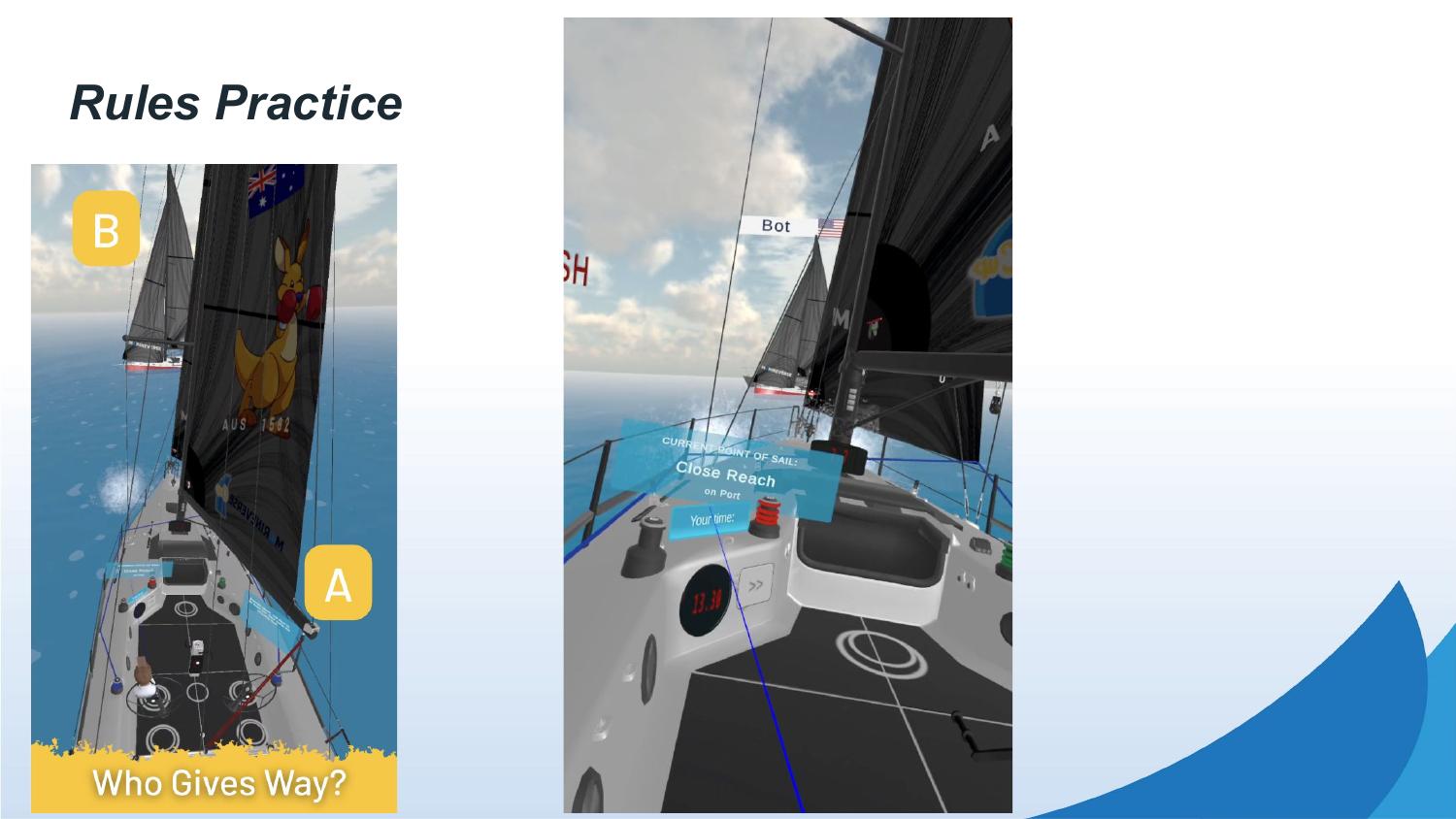
Rules practice.
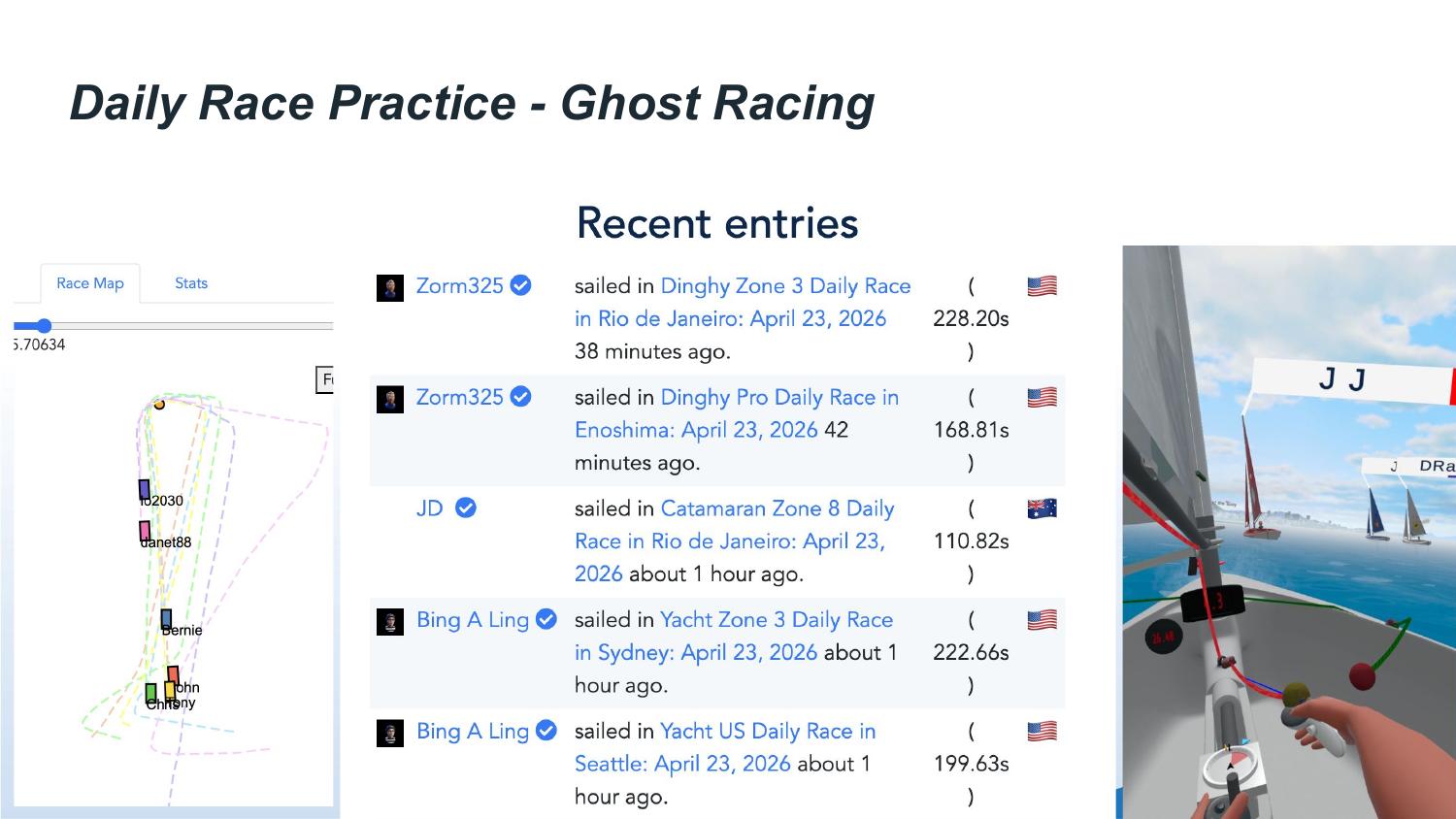
Daily race practice with ghost racing. Learn more: https://www.marineverse.com/marineverse-cup/leagues/pro
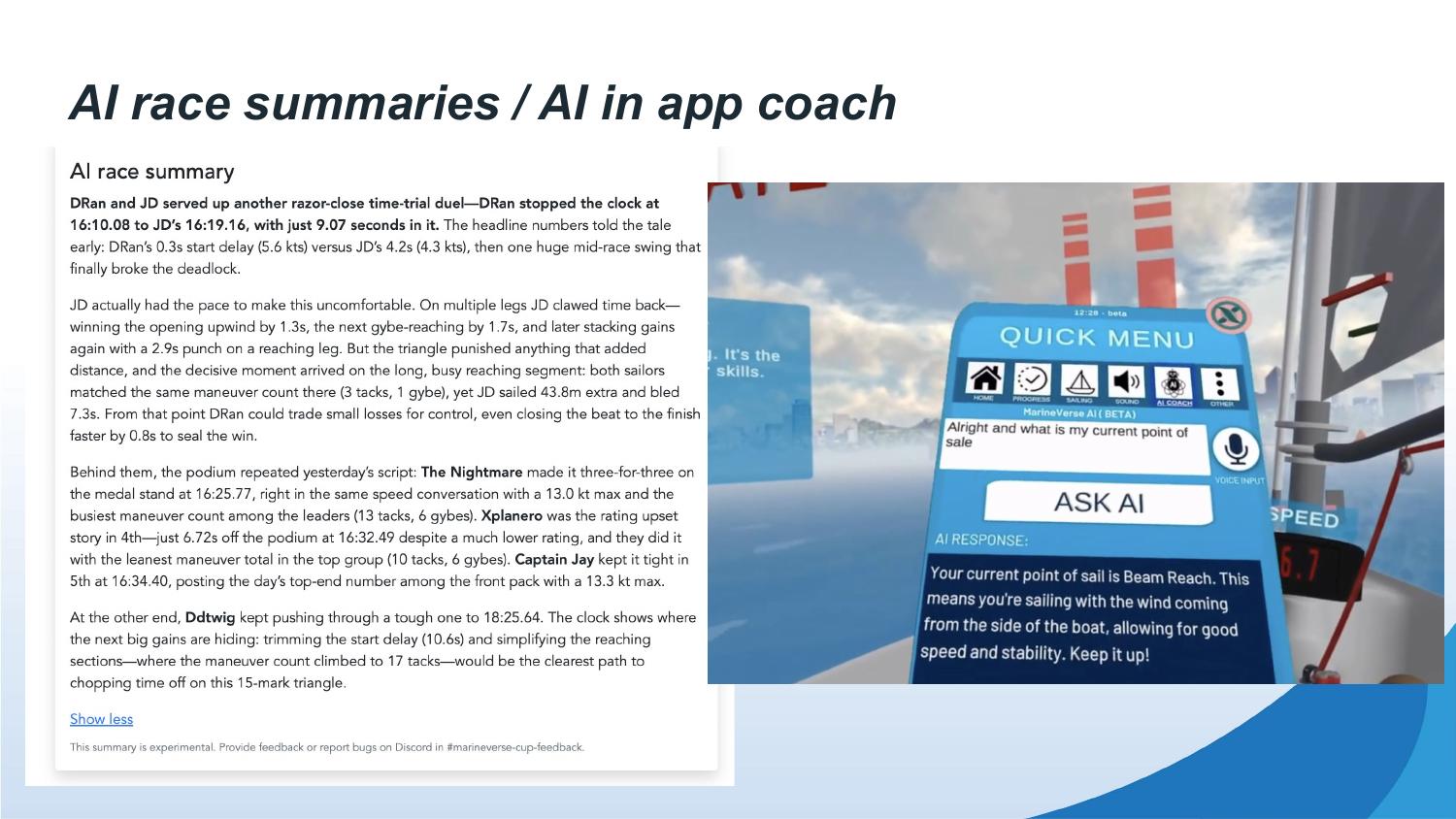
AI race summaries and an in-app AI coach. Demo: https://www.youtube.com/shorts/2wVV12IkS-s
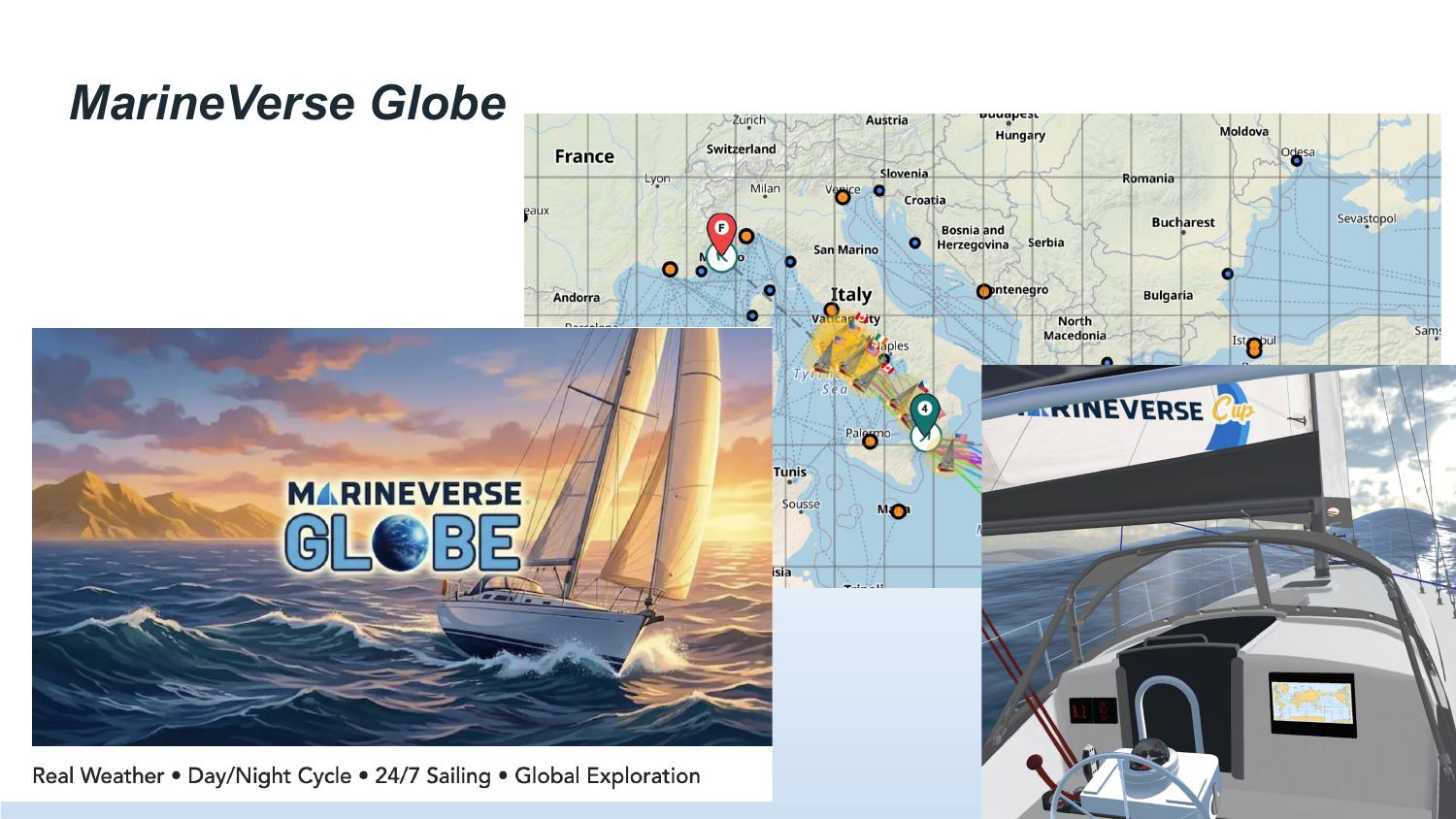
The MarineVerse Globe — sail locations around the world. Learn more: https://blog.marineverse.com/marineverse/globe/2025/08/14/introducing-marineverse-globe-beta.html
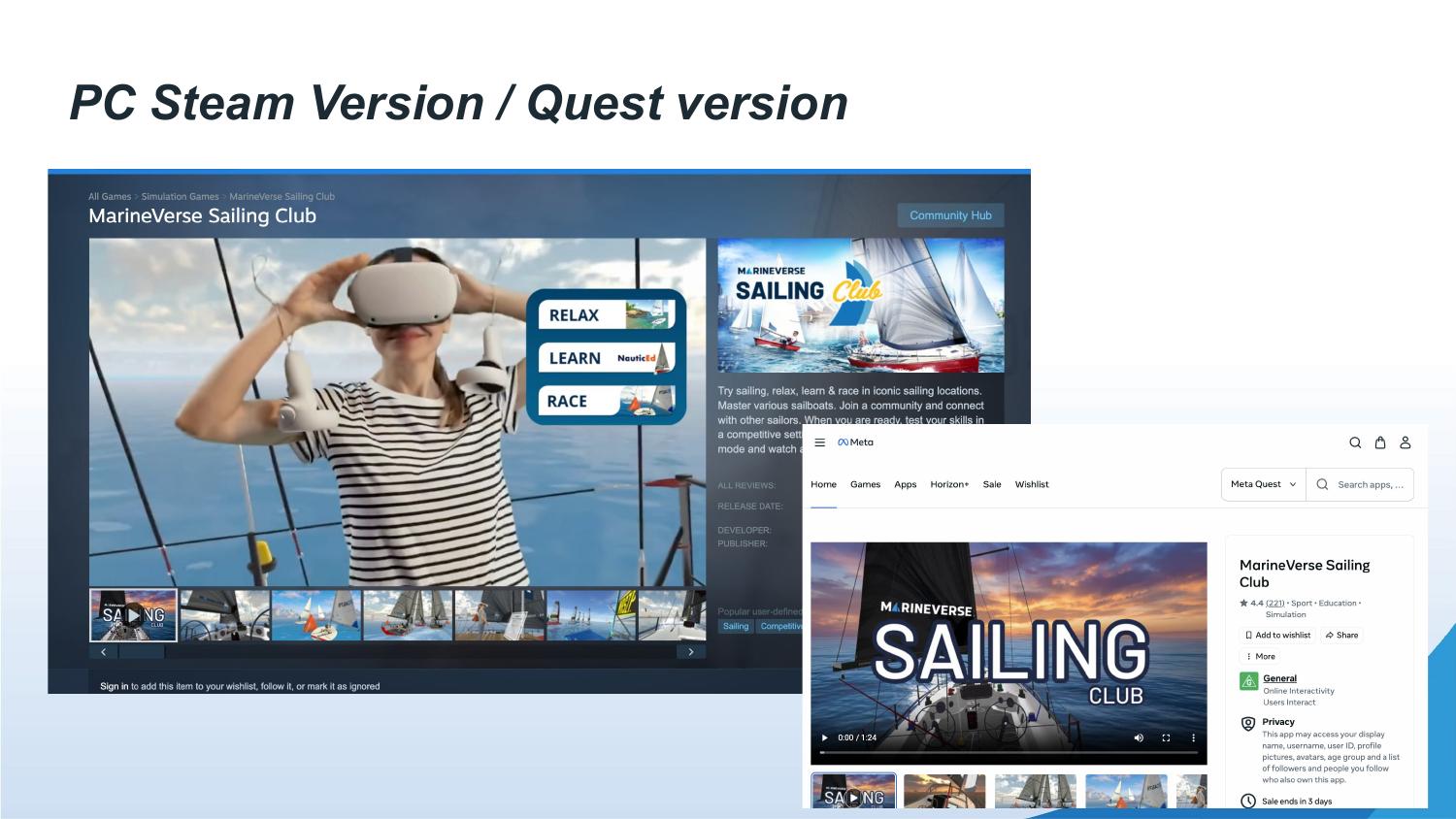
Available as both a PC Steam version and a Quest version.
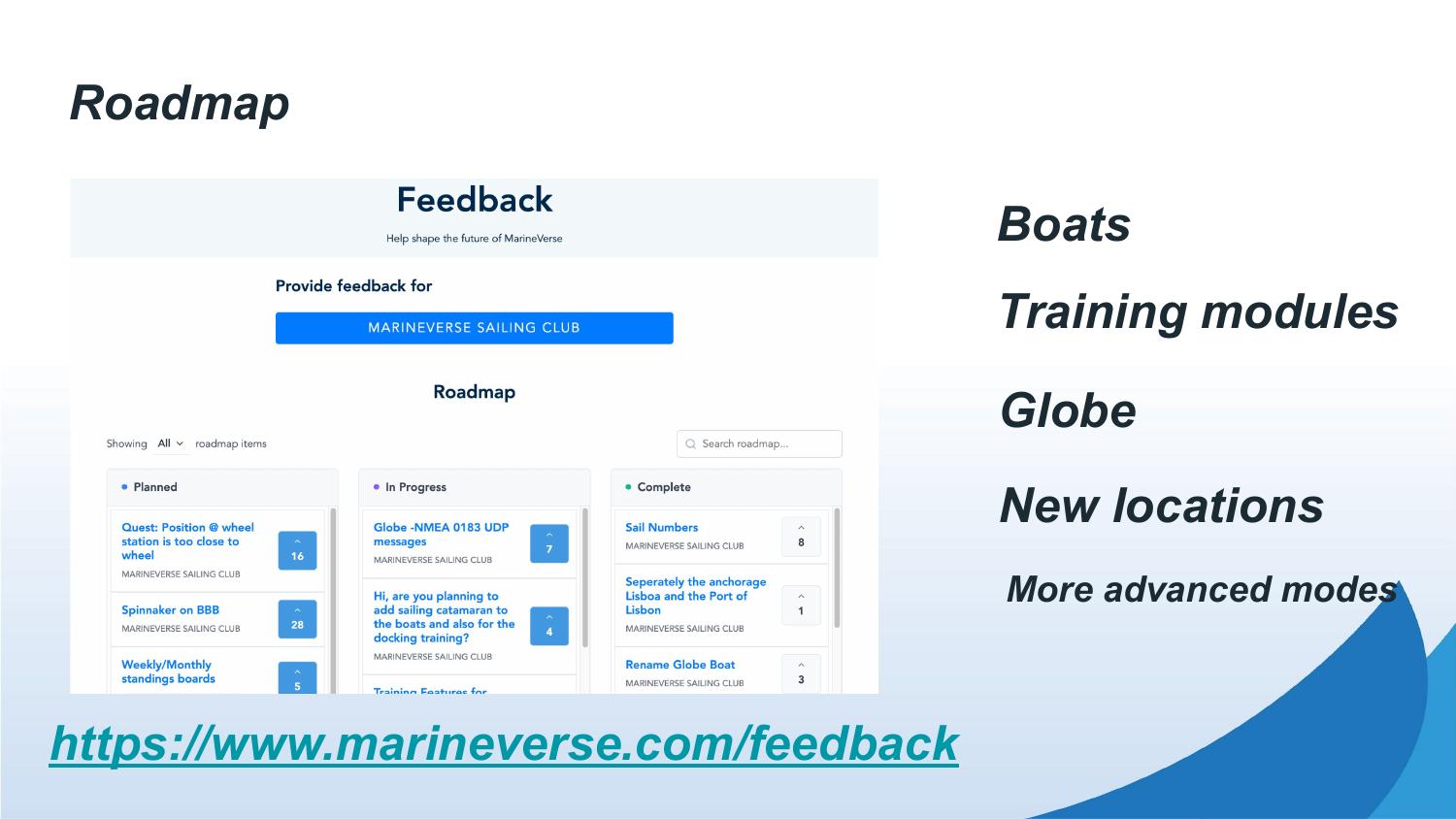
The roadmap: more boats, training modules, the Globe, new locations and more advanced modes. You can help shape it at marineverse.com/feedback.
VR is not a substitute for real sailing — but it can help more people begin, continue, and stay connected to the sport between days on the water. If that resonates, order a headset and try it at your club, or reach out with any questions.
A final thank you to Paul Wager, Sailability Auckland, and World Sailing for making this conversation possible.